
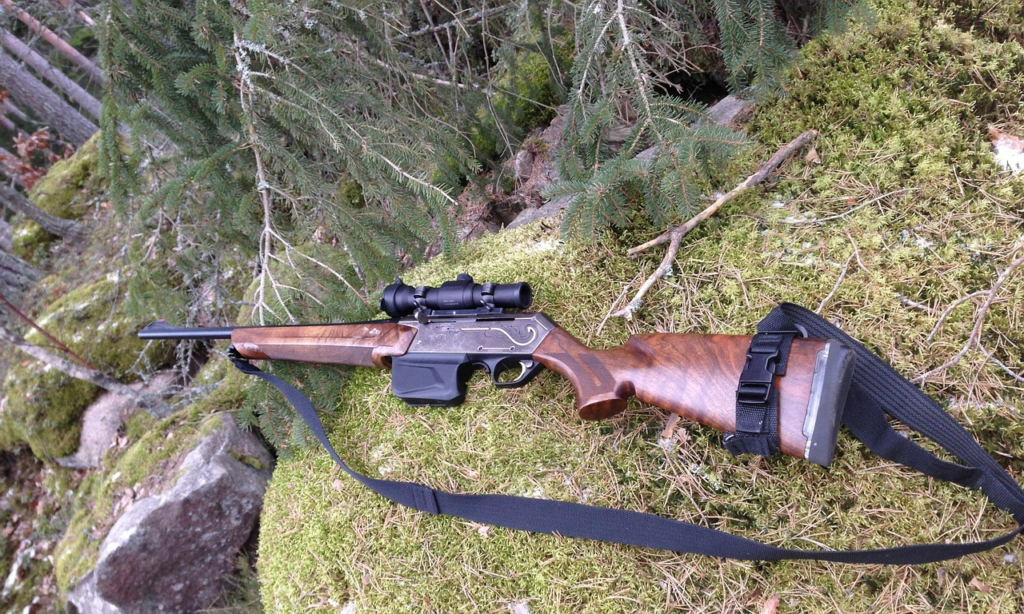
Most rifle comparisons happen on a bench or on a spec sheet, where controlled conditions can flatter a rifle. Group size, velocity, and weight all matter, but they reveal only part of how the firearm will behave beyond the range.
The shot that matters may come off sticks, from a kneeling position, or across uneven ground. A cold morning, a 200-yard distance, shifting wind, and a heart rate over 120 change the test.
That gap between measured performance and field performance frames the question: what makes a hunting rifle stand out when controlled conditions give way to an actual hunt?
What Actually Sets a Hunting Rifle Apart
A good hunting rifle combines repeatable shot placement accuracy, a clean trigger squeeze, proper stock fit, manageable carry weight, and stability on field support. Its balance should feel natural rather than demand constant correction.
Repeatable accuracy means holding the same point of impact weeks later, without perfect sandbags. Practical accuracy standards for big game favor a consistent two-inch field group over a half-inch bench group that disappears outside ideal conditions.
Caliber, Recoil and the Range You Really Shoot
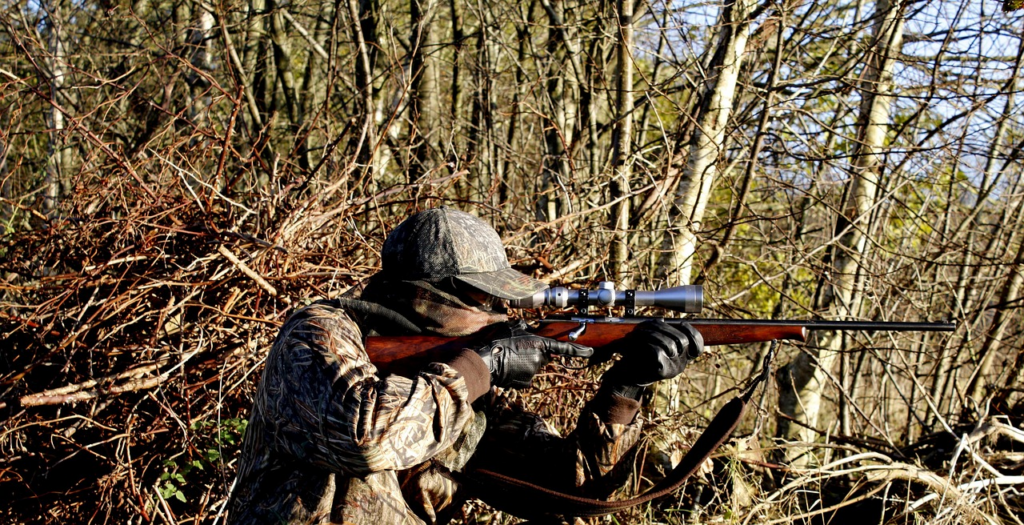
A cartridge should match the animal and the realistic effective range. A .308 isn’t overkill for deer. It’s a sensible choice for deer and other big-game hunting when paired with appropriate ammunition.
The more common mistake is buying magnum performance for shots inside 200 yards. Ballistic charts emphasize maximum capability, but most hunters benefit more from a cartridge they can shoot without anticipating recoil.
Recoil tolerance affects practice volume, shot placement, and follow-up speed. That makes recoil reduction an accuracy issue, not merely a comfort feature. A rifle that causes a flinch undermines its own ballistic advantages.
Terminal performance should reflect game weight and impact distance. An ethical shot depends on predictable bullet behavior and accurate placement within the hunter’s proven range, not the longest distance printed on an ammunition box.
The fundamentals of choosing a deer rifle therefore begin with honest conditions. Terrain, expected distance, and recoil tolerance matter more than owning the fastest available cartridge.
Hunters also outgrow chamberings as their pursuits change. Some consign through a local shop, some trade in at a dealer counter, and some skip the hassle of local classifieds when moving on from a mismatched rifle.
How the Rifle Sits on Sticks and Tripods
Most hunting shots involve some form of hunting rifle support, whether it’s a tree, pack, bipod, tripod, or shooting sticks. Stock geometry determines whether the rifle settles onto that support or fights it.
A wide, flat forend resists rolling on a pack or sticks. A rounded sporter forend carries comfortably, but it requires more hand pressure to keep the crosshairs level.
Balance matters more than total weight when a rifle sits in a tripod clamp. A muzzle-heavy setup fights the tripod’s pan movement, while a butt-heavy rifle tends to bob during fine elevation adjustments.
Mounting provisions also affect adaptability. A bipod stud handles traditional attachments, while a Picatinny interface or an ARCA-Swiss rail and clamp allows direct connection to compatible modern support systems.
Fit becomes obvious under time pressure. Length of pull controls reach, comb height determines eye alignment, and grip position affects whether the trigger finger lands naturally in a prone, kneeling, or standing shooting position.
As hunter education guidance explains, a stable rest and controlled trigger squeeze support accurate placement. Good rifle stability reduces the muscular effort needed to maintain that sight picture.
Durability and Optic Fit in Real Conditions
Stock material affects whether zero remains stable as conditions change. Synthetic and laminate stocks resist moisture-driven movement, while a wood stock can shift enough to alter barrel contact and point of impact.
The metal finish and action tolerances matter after rain, sleet, dust, or a fall. A hunting action should cycle without binding, while exposed metal needs protection from moisture during extended field use.
A lightweight, packable rifle helps on steep approaches, but extreme weight reduction makes it less steady and increases felt recoil. The useful balance is light enough to carry without becoming difficult to settle.
Rings, scope placement, and eye relief belong in the same evaluation as the barrel and action. A riflescope mounted too high weakens cheek contact, while one mounted too far forward slows sight-picture acquisition.
The rifle and optic form one shooting system. Even an accurate barrel performs poorly when the shooter must lift their head, crawl along the stock, or search for the full sight picture.
Buying for the Shot You’ll Actually Take
The hunting rifle that stands out matches the game, distances, terrain, and shooting positions encountered in the field. It delivers a predictable cold-bore impact without requiring benchrest conditions.
When two rifles shoot equally well, fit, recoil tolerance, and support compatibility decide which one performs better. Those traits strengthen field marksmanship because they make accurate shooting repeatable when the shot isn’t perfectly staged.