
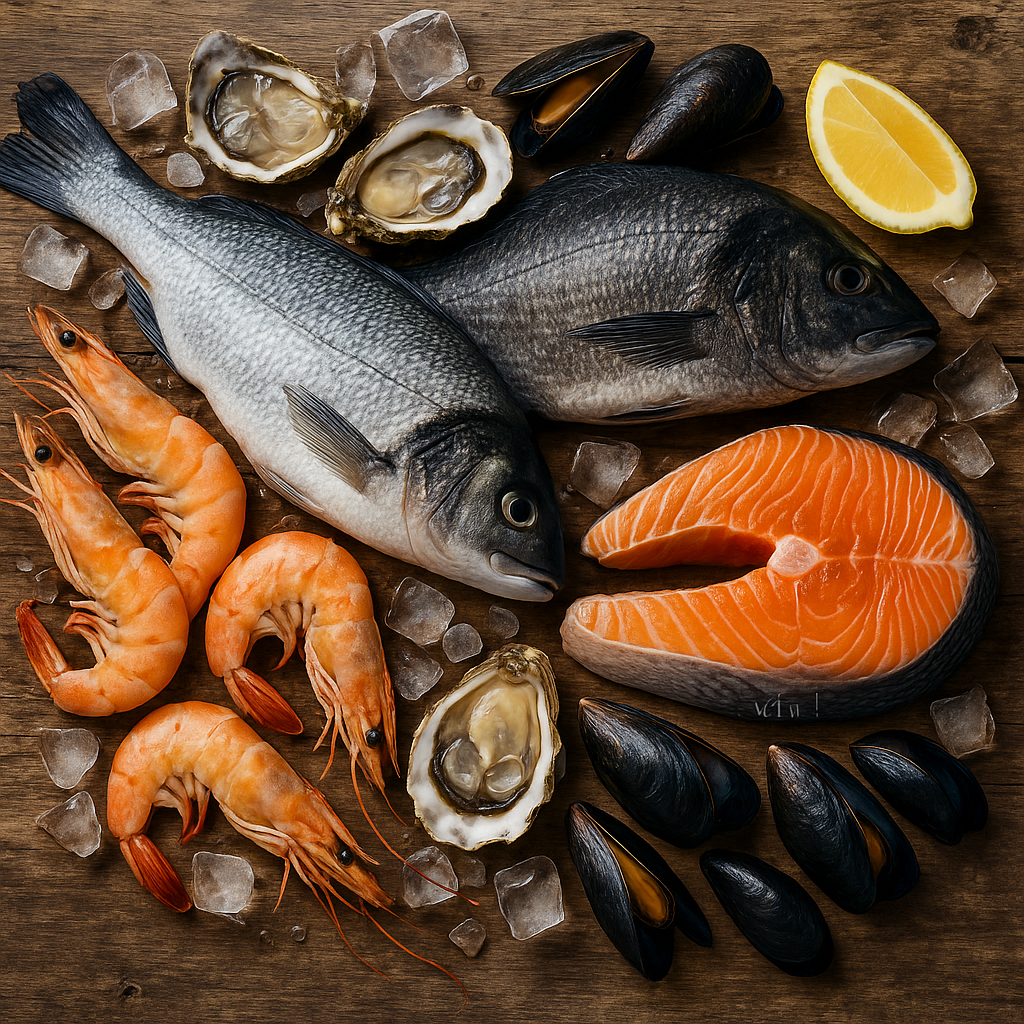
The Enduring Role of Seafood
For millennia, the ocean has been a cornerstone of survival, trade, and culture. Coastal civilizations have thrived on marine harvests, shaping culinary traditions and forging deep spiritual and economic ties to the sea. Seafood is not just sustenance—it is heritage. Across continents, recipes rooted in the day’s catch reflect centuries of adaptation, ingenuity, and respect for nature’s rhythms.
In modern times, however, the simple act of eating fish has evolved into a complex conversation about sustainability, sourcing, and ethics. Where does our seafood come from? How is it raised or caught? And what are the consequences of those choices for ecosystems and communities alike? These questions form the backbone of a growing movement toward mindful consumption and responsible production.
The Rise of Aquaculture
As populations grow and oceans face mounting pressure, aquaculture—or fish farming—has become a vital part of the global food system. By cultivating fish and shellfish in controlled environments, producers can deliver a steady, predictable supply to markets that would otherwise face scarcity. Fish farming offers stability and accessibility, ensuring that seafood remains available year-round even when natural harvests fluctuate.
Yet aquaculture demands vigilance. Managing feed, maintaining water quality, and preventing overcrowding are essential to avoid pollution, disease, and ecosystem disruption. Responsible aquaculture, when properly regulated, can reduce strain on wild populations while supporting local economies and food security. The challenge lies in achieving this balance at scale without compromising the integrity of surrounding environments.
The Call of the Wild
In contrast to cultivation, wild caught seafood offers a direct link to untamed ecosystems and centuries-old fishing traditions. Harvested from natural rivers, lakes, and oceans, these species often exhibit superior texture and richer flavor thanks to their diverse diets and active lifestyles. Many consumers value them for their authenticity and the natural stories they carry from the sea to the plate.
However, sustainability remains a pressing concern. Overfishing, habitat loss, and climate change have placed enormous strain on marine biodiversity. Without careful management, natural abundance can quickly turn into depletion. Effective stewardship—through quotas, seasonal restrictions, and habitat protection—ensures that the allure of the wild remains available for future generations.
Nutrition and Taste in Perspective
The environment in which seafood grows profoundly shapes its nutritional profile. Farmed varieties are typically fed controlled diets, offering consistency in nutrients and flavor. While reliable, these conditions can produce milder-tasting fish compared to their wild counterparts, which feed on naturally diverse sources. Wild harvests often boast higher levels of omega-3 fatty acids and a more complex flavor spectrum.
For chefs and home cooks, this distinction opens creative possibilities. Farm-raised species provide predictable quality for large-scale menus, while wild-sourced catches invite experimentation and nuance. Each method offers something valuable to the evolving culinary landscape.
Building a Sustainable Future
Sustainability is no longer optional—it is essential. Modern seafood practices must balance profit with the planet, ensuring that every harvest contributes to long-term ecological health. Regulated aquaculture can coexist with nature when guided by responsible waste management, proper spacing, and eco-friendly feed. Similarly, commercial fisheries must enforce catch limits, avoid destructive methods, and prioritize habitat restoration.
Certification programs now help consumers identify responsibly sourced products, allowing everyday choices to drive meaningful industry change. These small decisions—selecting certified fish, supporting transparent suppliers, or reducing waste—collectively shape a more resilient global seafood system.
The Human Dimension
Seafood production is deeply human. In coastal towns, generations of fishers depend on the sea not only for income but also for cultural identity. Traditional techniques passed down through families remain integral to community pride and survival. Meanwhile, urban consumers benefit from aquaculture’s reliability and affordability, bridging the gap between remote coastlines and bustling cities.
Supporting both traditional fisheries and innovative aquaculture strengthens livelihoods while preserving heritage. Economic progress and cultural preservation need not be mutually exclusive; together, they form a holistic approach to food security.
Innovation Beneath the Surface
Technology is redefining how seafood reaches our tables. Advanced sensors monitor water quality in real time, ensuring healthier farm environments. Satellite tracking combats illegal fishing, while blockchain systems enhance supply-chain transparency. Feed innovations—like plant-based or insect-derived alternatives—reduce pressure on marine ecosystems once heavily exploited for fishmeal.
These breakthroughs illustrate how science can complement nature rather than replace it. Innovation, when guided by ethics, offers tools to harmonize production and conservation.
Culinary Awareness and Choice
Today’s consumers are more informed than ever. Menus now specify whether dishes feature farmed or wild-sourced ingredients, empowering diners to align taste with values. Some prefer the consistency of farmed salmon for its predictable fat content, while others seek wild salmon for its unique, region-specific flavor.
This transparency enriches the dining experience, transforming a simple meal into an exploration of origin and impact. By understanding where food comes from, eaters engage in a quiet act of environmental stewardship.
Responsibility at Every Level
Every seafood purchase carries weight. Choosing sustainably sourced options signals demand for ethical practices and transparency. Consumers influence supply chains more than they realize; informed buying habits can shift industries toward accountability and conservation.
Governments and organizations also play critical roles. Strong policy frameworks, enforcement of fishing limits, and investment in coastal restoration are essential to preserving marine ecosystems. Collaboration between regulators, producers, and consumers creates the synergy needed for lasting change.
The Path Forward
As global demand for seafood continues to rise, finding equilibrium between aquaculture and natural harvests becomes increasingly urgent. Educational initiatives can bridge understanding between producers and consumers, fostering appreciation for both systems’ roles. Ongoing research into efficient, low-impact methods ensures that production evolves alongside environmental needs.
Ultimately, the future lies in integration rather than division—recognizing that both farmed and wild sources are vital to feeding a growing world.
Embracing the Balance
The debate between farm-raised and wild-sourced seafood is not about superiority but sustainability. Each plays an essential role in meeting human needs while respecting natural limits. By supporting responsible practices, asking questions, and valuing transparency, consumers can help safeguard the planet’s waters.
In choosing responsibly—whether enjoying the reliability of aquaculture or the authenticity of wild caught seafood—people participate in a broader narrative of harmony between human innovation and nature’s abundance.