
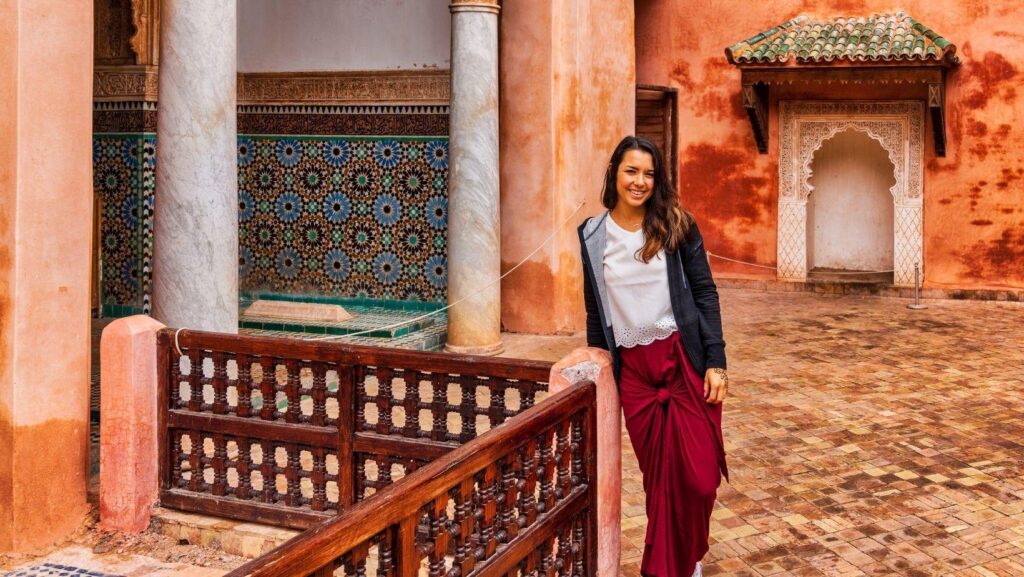
Morocco is one of the most memorable places to visit in North Africa, known for its historic medinas, desert landscapes, mountain villages, coastal towns, rich food culture, and warm hospitality. For many travellers, the country feels exciting, colourful, and deeply rewarding. At the same time, like any international destination, Morocco requires awareness, planning, and respect for local customs.
For staying connected while exploring Morocco, travellers can consider an eSIM from Holafly for convenient mobile data without the hassle of finding a local SIM card.
The short answer is that Morocco can be a safe and enjoyable destination for travellers who prepare properly, stay alert in busy areas, and make thoughtful choices about transportation, guides, accommodations, and itinerary planning. Government travel advisories from Canada, the United States, the United Kingdom, and Australia generally advise travellers to exercise increased or high caution in Morocco, largely because of terrorism risk and regional security concerns, while also noting more common travel issues like petty crime in tourist areas.
That does not mean Morocco should be avoided entirely. It means travellers should understand the risks, plan with care, and travel in a way that supports comfort and confidence.
Check Official Travel Advice Before You Go
Before booking a trip to Morocco, it is smart to check your own government’s travel advisory. These pages are updated when safety conditions change and may include information about entry requirements, health considerations, terrorism risks, border regions, local laws, demonstrations, transportation, and emergency contacts.
The Government of Canada currently advises travellers to exercise a high degree of caution in Morocco due to the threat of terrorism, and it advises against travel to certain areas around the Western Sahara Berm because of the unstable security situation and heavy military presence. The U.S. Department of State has also listed Morocco as “Level 2: Exercise Increased Caution” due to terrorism, noting that potential targets may include tourist locations, markets, transportation hubs, shopping malls, and government facilities.
For most typical Morocco itineraries, travellers are visiting places like Marrakech, Fes, Rabat, Casablanca, Chefchaouen, Essaouira, the Atlas Mountains, or the Sahara routes used by reputable tour operators. These are not the same as restricted or higher-risk border regions. Still, advisories matter because they help you understand where not to go, what to watch for, and how to respond if conditions change.
Plan With Real Local Support, Not Just a Checklist
One of the best ways to feel safer in Morocco is to avoid treating the trip like a random collection of places pulled from social media. Morocco is best experienced with context: which medinas are easiest to navigate, which transfers are worth pre-arranging, how long drives really take, when a licensed guide is helpful, and which areas are better explored with someone who knows the rhythm of the place.
This is where thoughtful trip planning can make a big difference. Maple & Medina, a Canada-based Morocco travel planning company, describes its journeys as private, fully customizable travel experiences “designed in Canada” and brought to life through trusted local Moroccan partners. Their site also emphasizes private, unhurried travel, local guides and drivers, ongoing support, and experiences shaped by people who understand the landscape and culture.
That approach matters for safety because good local support can reduce confusion and friction. Instead of figuring out every transfer, route, medina visit, desert stop, or accommodation on your own, you can rely on people who understand local logistics. This is especially helpful for first-time visitors, families, women travellers, older travellers, and anyone who wants Morocco to feel immersive without feeling overwhelming.
Understand Petty Crime in Tourist Areas
The most common safety issue for many travellers in Morocco is not violent crime, but petty crime and tourist-targeted scams. In busy areas, especially medinas, markets, beaches, transportation hubs, and crowded tourist sites, pickpocketing, bag snatching, distraction tactics, and overcharging can happen. The UK government notes that petty crime is common in tourist areas, especially historic medina quarters and beaches.
This does not mean you need to be anxious everywhere you go. It means you should use common-sense habits. Keep your phone secure, avoid placing bags on the back of a chair, do not flash large amounts of cash, and be careful when someone approaches you with unsolicited help. In medinas, it is common for unofficial guides or persistent sellers to try to direct travellers. A polite but firm “no thank you” is often enough, but having a licensed guide can make the experience smoother.
It also helps to separate your cash and cards. Carry what you need for the day and keep backup cards or extra cash stored safely at your accommodation. Use a crossbody bag that closes securely, and keep your passport protected unless you specifically need it.
Be Smart in Medinas and Markets
Morocco’s medinas are part of what makes the country so special. The narrow lanes, small shops, food stalls, courtyards, historic architecture, and constant movement can feel magical. They can also feel disorienting, especially in Marrakech and Fes.
The safest way to enjoy a medina is to slow down, avoid wandering alone late at night in quiet lanes, and use a reputable guide when the area is complex. Fes, in particular, can be difficult to navigate without help. A guide can also help you understand what you are seeing, avoid unnecessary stress, and reduce the likelihood of being pulled into unwanted shopping situations.
If you do shop in souks, remember that bargaining is normal in many settings. Decide what you are comfortable paying before you begin negotiating. If you feel pressured, you can leave. You do not owe anyone a purchase because they offered tea, conversation, or a demonstration.
Transportation Safety Matters
Transportation is one of the biggest areas where planning affects safety. Morocco has trains between major cities, taxis, private drivers, buses, and domestic flights. For many visitors, pre-arranged transfers or a private driver can make the trip much more comfortable, especially when travelling between cities, into the mountains, or toward desert regions.
Driving yourself in Morocco can be more stressful than expected. Road conditions, traffic habits, rural routes, mountain roads, and long distances can create challenges for visitors who are not familiar with the country. If your itinerary includes the Atlas Mountains, Sahara Desert, or multiple cities, using an experienced local driver is often worth it.
For taxis, agree on the fare before leaving if there is no working meter. In cities, ask your accommodation what a reasonable fare should be. For longer transfers, book through a trusted provider rather than negotiating on the street at the last minute.
Respect Local Customs and Dress Expectations
Morocco is a Muslim-majority country with a mix of modern city life, traditional communities, tourism, and regional differences. Travellers do not need to dress exactly like locals, but respectful clothing can make your experience more comfortable.
In major cities and tourist areas, you will see a range of dress styles. Still, modest clothing is generally a good idea, especially in medinas, rural areas, religious sites, and small towns. Lightweight pants, long skirts, linen shirts, loose dresses, and covered shoulders can help you feel comfortable while also respecting local norms.
Public affection should be kept modest. Alcohol is available in some restaurants, hotels, and bars, but public drunkenness is not culturally appropriate and can draw unwanted attention. During Ramadan, travellers should be especially mindful about eating, drinking, or smoking openly in public during daylight hours, even though tourist-facing businesses may still operate.
Safety for Women Travellers
Many women travel safely in Morocco, including solo travellers, couples, friend groups, and families. However, some women may experience unwanted attention, comments, or persistent approaches, especially in busy tourist areas. Dressing modestly, walking confidently, avoiding isolated areas after dark, and using trusted transportation can help reduce discomfort.
A private guide or driver can also make a major difference for women who want to explore without constantly managing interactions. This does not mean women cannot explore independently. It simply means that support can make the trip feel calmer and more enjoyable, especially in the first few days while adjusting to the pace of the country.
Women travelling alone may want to choose centrally located accommodations, arrange airport pickup ahead of time, avoid arriving late at night when possible, and ask hotel or riad staff for advice about safe walking routes.
Desert, Mountain, and Rural Travel
Morocco’s desert and mountain regions are incredible, but they require more planning than a simple city break. The Sahara is remote, drives can be long, and conditions can change depending on the season. The Atlas Mountains offer beautiful scenery and village experiences, but routes can involve winding roads, elevation changes, and limited services in some areas.
Use reputable operators for camel treks, desert camps, hiking, and mountain excursions. Check what is included, how long travel days are, what kind of vehicle will be used, and whether the experience is private or shared. Bring layers, sun protection, water, and any personal medication you need.
Do not wander alone in remote areas. Stick with guides who know the route, weather, terrain, and local communities. This is less about fear and more about respecting the environment and avoiding preventable problems.
Food, Water, and Health Precautions
Food is one of Morocco’s great joys, but travellers should be thoughtful about where and what they eat. Choose busy restaurants or food stalls with high turnover, especially for meat and seafood. Wash or sanitize your hands often, and use bottled or properly filtered water if your stomach is sensitive.
Street food can be wonderful, but ease into it. If you are only in Morocco for a short trip, it is better to be slightly cautious than lose several days to stomach trouble. Pack basic travel health items such as oral rehydration salts, stomach medication approved by your doctor or pharmacist, sunscreen, and any prescriptions you need.
Travel insurance is also important. Choose a policy that covers medical care, trip interruption, lost luggage, and the kinds of activities you plan to do.
Choose Accommodations Carefully
Where you stay can influence how safe and comfortable the trip feels. Riads in medinas can be beautiful and atmospheric, but they may be harder to find at night if you are arriving for the first time. Hotels outside the medina may offer easier vehicle access. Desert camps and mountain lodges vary widely in comfort and logistics.
Read recent reviews, check the location carefully, and ask about airport transfers or arrival support. If you are staying in a medina riad, having someone meet you at the closest drop-off point can prevent a stressful first arrival.
Good accommodations can also help with trusted guides, drivers, restaurant recommendations, and local safety advice.
Travel With Awareness, Not Fear
The safest way to travel in Morocco is not to be suspicious of everyone or afraid of every busy street. Morocco is known for hospitality, and many travellers leave with memories of kindness, warmth, and meaningful cultural exchange. The goal is to stay aware enough that you can enjoy the country with confidence.
Before you go, check official advisories, understand your itinerary, arrange reliable transportation, keep your belongings secure, respect local customs, and consider working with people who know the country well. Once you are there, slow down. Morocco rewards travellers who are curious, respectful, and open to a different rhythm.
With the right preparation, Morocco can feel not only safe, but unforgettable. It is a country of layered cities, quiet desert nights, mountain roads, coastal air, shared tea, skilled artisans, and deep cultural history. Safety is part of the planning, but it does not need to overshadow the experience. It simply helps you travel more smoothly, more respectfully, and with greater peace of mind.