
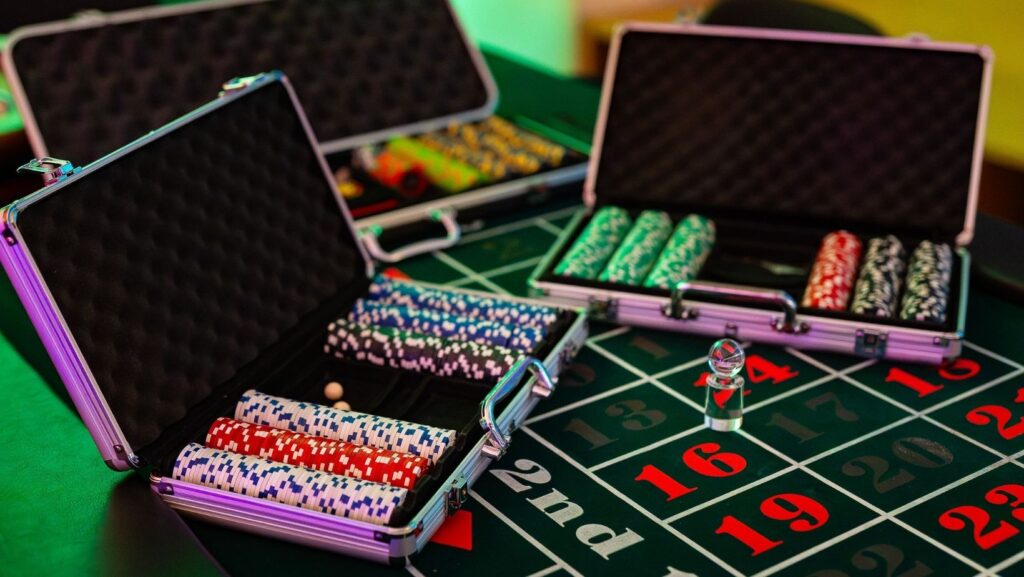
Switching games after a losing streak feels like a logical response, yet in 2026 it remains one of the least effective ways to influence casino outcomes. Players often move from slots to tables, change volatility levels, or hop between providers hoping to “reset” luck. While the action feels proactive, probability and house edge do not respond to game switching the way intuition suggests.
The Illusion of Resetting Luck
Many players believe that leaving a “cold” game improves chances elsewhere. In reality, most casino games operate independently of previous outcomes. Switching games does not erase losses or change probability; it simply starts a new sequence under a different mathematical model.
The sense of relief after switching comes from psychological reset, not improved odds.
House Edge Follows You Between Games
Every casino game at Unibet has its own house edge, but switching rarely reduces it meaningfully unless the player deliberately chooses a lower-edge format. Random switching often keeps exposure the same or increases it if higher-risk games are selected impulsively.
| Game Type | Typical House Edge | Perceived Risk | Actual Cost Over Time |
| Video slots | 3–6% | Medium | High |
| High-volatility slots | 4–6% | High | Very high |
| Blackjack (optimal) | ~0.5–1% | Low | Low |
| Roulette (European) | 2.7% | Medium | Medium |
| Instant games | 3–7% | High | High |
Unless the switch is intentional and informed, the cost structure usually remains unchanged.
Switching Increases Total Exposure
Game switching often extends session length. Players tell themselves they are “just trying something else,” but each switch adds more bets. More bets mean more exposure to house edge, regardless of which game is chosen.
| Behavior Pattern | Session Length | Total Bets | Expected Impact |
| Single-game session | Short | Lower | Controlled |
| One switch | Medium | Higher | Increased loss risk |
| Multiple switches | Long | Much higher | Strong negative drift |
Switching feels like action, but it usually means staying longer.
Volatility Mismatch Makes Outcomes Worse
Players often switch to higher-volatility games after losses, hoping for a recovery win. High volatility reduces win frequency and increases the chance that a short session ends without any meaningful payout.
If the session is already emotionally charged, volatility amplifies frustration rather than solving it.
Decision Quality Declines With Each Switch
Every game change requires new decisions: bet size, rules, features, pacing. Under emotional pressure, these decisions become rushed. Mistakes–such as raising stakes or ignoring limits–become more likely.
Switching does not reset decision quality; it often degrades it.
Why Wins After Switching Feel Meaningful
Occasionally, a win happens soon after switching. This reinforces the belief that switching “worked,” even though the win was random. Losses after switching are usually forgotten or blamed on the new game.
This selective memory strengthens the habit despite poor long-term results.
When Switching Can Actually Make Sense
Switching games is not always bad. It can be useful when:
- Moving deliberately to a lower house-edge game
- Reducing volatility for balance preservation
- Slowing game speed to regain control
The key difference is intention. Strategic switching differs from emotional switching.

Better Alternatives to Switching Games
Instead of switching impulsively, players can:
- Reduce bet size
- Slow game speed
- End the session
- Take a break and return later
These actions reduce exposure directly rather than reshuffling it.
Why Casinos Don’t Mind Game Switching
Casinos benefit from longer sessions and higher total wagering. Game switching keeps players engaged and betting without addressing the underlying issue of exposure.
From a business perspective, switching is neutral or positive. From a player perspective, it rarely is. Casino game switching feels like control, but it usually offers none. It increases session length, maintains or raises house edge exposure, and often worsens emotional decision-making. In 2026, the most effective response to losing streaks is not changing games, but changing behavior–slowing down, lowering exposure, or stopping altogether. Switching games treats the symptom, not the cause.