
My phone had one bar of LTE at the trailhead below Longs Peak. By the time I hit 9,000 feet, it had none. That’s normal. Cell coverage in most backcountry zones in the US drops off fast once you’re past the parking lot, and a 2026 breakdown of coverage gaps in national parks confirms what every backpacker already knows: dead zones aren’t the exception in the wild, they’re the default.
Here’s the part nobody warns you about. It’s not just your maps app that dies out there. It’s every app that needs to verify who you are.
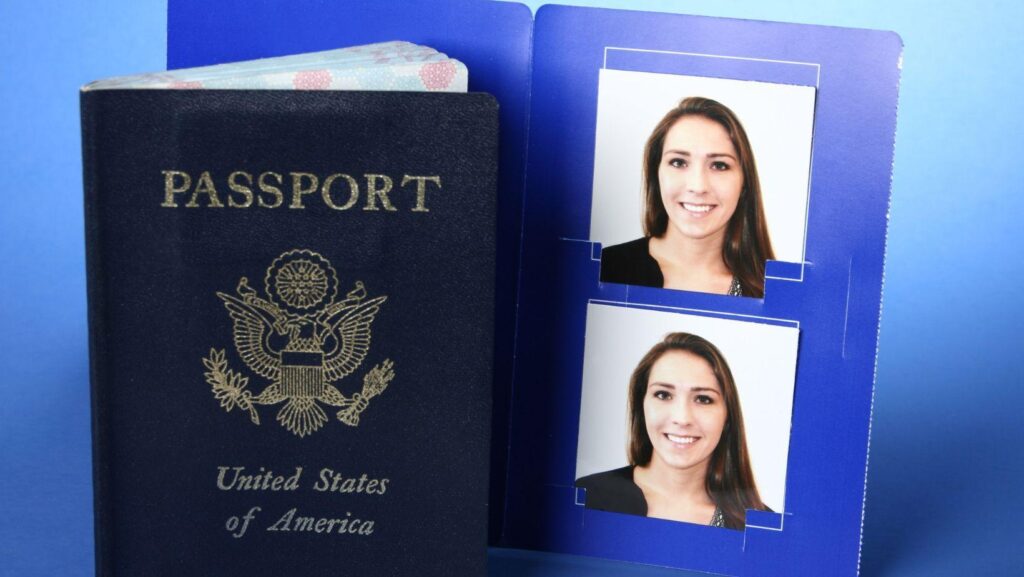
I found this out the hard way last summer, trying to finish a KYC check for a financial app while sitting on a rock outside Estes Park. The selfie verification kept failing. Not because my face changed. Because the lighting was wrong, the connection kept dropping mid-upload, and the algorithm scoring my passport photo against my live selfie needs conditions closer to a DMV office than a granite outcrop at altitude.
Facial recognition systems are more sensitive to lighting and image quality than most people assume. A widely cited NIST study on face recognition accuracy found meaningful error-rate differences tied to image conditions, not just the algorithm itself. Harsh midday sun, overcast shadow, a gust of wind blurring the shot right as the camera fires: any of it can push a verification system into “unable to confirm” territory. Multiply that by a connection that drops every 40 seconds and you’ve got a KYC process that was never built for the backcountry.
This matters well beyond hiking permits and banking apps. Anyone who tries to log in and verify an account from the road, including on gambling platforms, runs into the exact same wall. And plenty of serious sports bettors do exactly that. Say you’re road-tripping toward a ballpark, tracking the MLB Draft class ahead of this year’s cycle and want to get a futures bet down on a rising prospect before you lose signal for the next six hours. If your identity check hasn’t cleared before you leave town, you’re out of luck until you’re back near a tower.
That’s exactly why bettors who take this seriously do their homework before they leave, not after. A lot of them lean on outlets like Baseball America for state-by-state breakdowns of what’s actually legal where, because getting that sorted at home saves you from discovering, mid-hike, that the platform you picked won’t even let you log in without a fresh verification photo you can’t take.
Why KYC Breaks Down Outside Wifi Range
Know Your Customer checks exist for a real reason. Regulators require operators, casinos included, to confirm a player’s identity and age before real money moves. The mechanics behind that check are more involved than most users realize. According to a technical breakdown of how KYC verification pipelines actually work, most platforms run a multi-step process: document upload, liveness detection, facial match, then a cross-reference against sanctions and fraud databases. Every one of those steps assumes a stable connection and decent lighting.
Drop the connection mid-upload and the document gets flagged as corrupted. Drop it during the liveness check and the system reads it as a failed attempt, sometimes locking the account for review. I’ve had both happen. Neither took more than a weak signal and bad timing.
Academic research backs this up too. A 2023 paper in AI & Society on facial recognition misidentification walks through how environmental variables, not just the underlying model, drive a huge share of false rejections. Wrong angle. Wrong shadow. Compression artifacts from a low-bandwidth upload. The system isn’t broken. It’s just never been tested against a trailhead at dusk.
What Actually Works When You’re Off-Grid
A few things cut the failure rate:
- Verify BEFORE you leave civilization, not after. Complete KYC on your home wifi, ideally days ahead of a trip, not the morning you’re loading the car.
- Screenshot your confirmation. If a platform’s verification lapses or times out mid-session, a saved confirmation email speeds up support tickets enormously.
- Know your signal windows. Ridgelines and overlooks often catch a bar or two even when valleys don’t. If you must verify on the road, do it there.
- Carry a paper backup. Some operators still accept manual document review via email if automated verification stalls. Not glamorous. Works.
None of this is exclusive to gambling apps. Banking KYC, government ID portals, even hotel check-in apps hit the same wall. But casinos add a wrinkle: most run tighter fraud thresholds than a bank, because chargebacks and bonus abuse are a bigger headache for them than for your average fintech app. A failed selfie doesn’t just delay you. It can freeze withdrawals until support manually clears the flag, and that can take days.
I watched this happen to someone I was hiking with in Yellowstone last month. He’d deposited $80 into an account two days before the trip, meant to place a couple of bets on Sunday’s slate, and got flagged for “inconsistent image quality” on day three. Support cleared it in about 36 hours. That’s not a disaster. But if you’re only in cell range for a few hours before disappearing into the backcountry again, 36 hours might as well be a week.
Planning Around the Gap
The fix isn’t complicated, it’s just discipline most people skip. Treat identity verification the same way you’d treat organizing your gear before a big trip: do it at home, do it early, confirm it’s actually done before you load the truck. Waiting until you’re at the trailhead to knock out admin tasks is how people end up burning their one bar of signal on a support chat instead of texting someone that they made it to camp.
Same logic applies if you’re routing a trip around ballpark stops. Baseball America’s tracking of the hottest prospects this season moves fast, and if you want to act on that information while you’re actually traveling, your accounts need to already be verified and functional before you’re standing in a stadium parking lot with two bars of LTE and thirty minutes before first pitch.
Frequently Asked Questions
Why does facial recognition fail more often outdoors than indoors? Outdoor lighting is inconsistent (harsh shadows, overcast glare, backlighting) and most verification systems were tuned on studio-quality images. Add a weak upload connection and the combination pushes error rates up significantly, per NIST’s own testing on image-condition variables.
Can I complete KYC verification without cell service? Not through automated tools. Most systems require a live upload and real-time liveness check. Your best move is completing verification before you lose signal, then keeping a downloaded confirmation as proof if something needs manual review later.
Do all online casinos require the same verification steps? No. Requirements vary by license and jurisdiction, and some platforms run stricter fraud checks than others depending on payment method and deposit size. Always confirm what’s required before a trip, not during one.
What should I do if my account gets flagged while I’m traveling? Contact support immediately with your confirmation email or reference number ready. Manual review typically takes 24 to 48 hours. Doing this from a spot with reliable signal, rather than mid-trail, will save you a frustrating wait.
Is this a bigger problem for sports betting apps than casino apps? Not really, the underlying tech is nearly identical. The bigger variable is timing. Sports betting has hard deadlines (kickoff, first pitch), so a verification delay costs you more there than it typically does with slots or table games you can play anytime.
Gambling involves risk. Please play responsibly and only wager what you can afford to lose. If you feel gambling is becoming a problem, visit BeGambleAware.org or call 1-800-GAMBLER.
Plan your verification the way you’d plan your water filter or your first aid kit: before you need it, not when you’re already out of range. The backcountry doesn’t care how close you are to placing a bet or closing a bank transfer. It just runs on its own schedule, signal or not.