
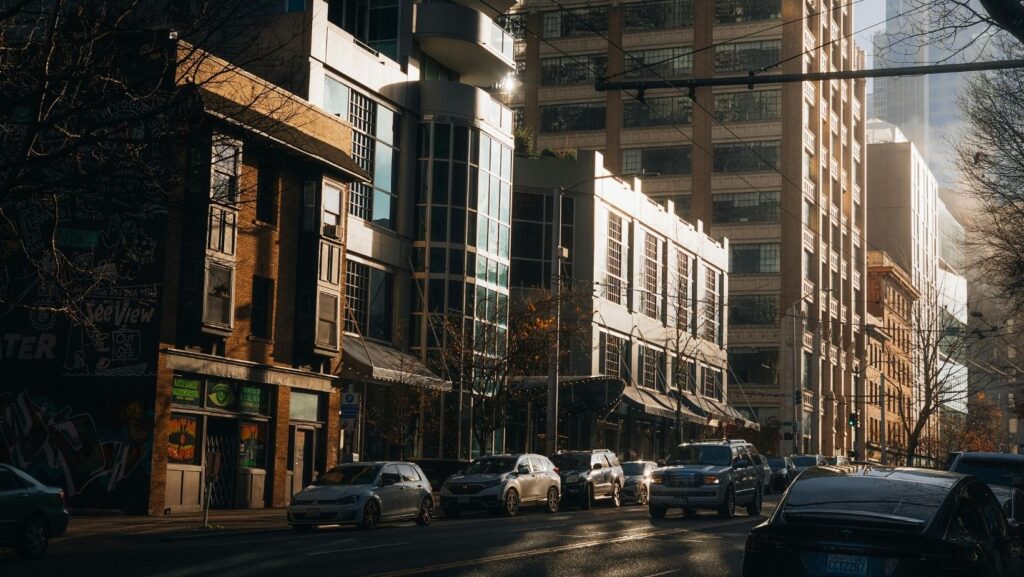
Modern homebuyers are increasingly prioritizing a “step-out-and-go” lifestyle, and it is easy to see why. Trading the stress of daily traffic for a leisurely stroll to the local coffee shop fundamentally changes how you experience a city. In Seattle, where navigating rush hour can quickly become a daily headache, finding a home in a pedestrian-friendly neighborhood is highly desirable.
This demand represents a massive generational shift in the real estate market. Buyers are actively seeking neighborhoods where they can leave the car keys behind. In fact, 90% of Gen Z and millennial respondents report they would pay more for a home in a walkable community. They view walkability not just as a perk, but as a baseline requirement for a high quality of life.
If you are ready to explore the best pockets of the city, this guide will pinpoint Seattle’s top streets for walkability. We will explore the unique cultures of these neighborhoods and explain the strong financial benefits of investing in a car-free lifestyle.
Why Walkability Matters
Choosing a pedestrian-friendly neighborhood offers a distinct set of dual benefits. You get the immediate reward of daily convenience mixed with the long-term security of a strong financial investment.
Seattle’s Pedestrian-Friendly Renaissance
Seattle has spent years actively prioritizing pedestrian upgrades, building extensive greenways, and creating connected neighborhood loops. The city understands that a thriving urban environment relies on foot traffic. Wide sidewalks, protected crosswalks, and dedicated pedestrian paths have transformed many historic districts into seamlessly connected hubs.
This macro-level infrastructure has earned the city serious national recognition. In August 2025, Seattle was named the most walkable city in the U.S. for sightseers. This proves the city’s commitment to seamless connectivity between major landmarks, parks, and dining districts.
According to the experts at Get Happy at Home, walkability, neighborhood safety, and easy access to daily conveniences are key factors when evaluating areas for homes for sale. Potential buyers can see this as a way to understand which neighborhoods fit their lifestyle, balance daily needs with long-term comfort, and identify areas that offer both convenience and a sense of community.
The Financial Upside of a Walkable Home
Beyond the lifestyle perks, buying a home in a pedestrian-friendly area is a highly strategic financial move. High Walk Scores consistently correlate with high property values in the Seattle real estate market. Buyers are willing to pay a premium for convenience, and that demand shows no signs of slowing down.
The data backs up this trend. According to recent market analysis, homes within walking distance of urban amenities sell for an average of 23.5% more than comparable car-dependent properties. This means your home is doing serious financial work for you just by being located near a great bakery or a reliable transit stop.
While you might pay a premium upfront to secure a home in these hot markets, the long-term financial picture is very bright. The strong resale value protects your investment over time. When you factor in the reduced daily transportation costs of a car-lite lifestyle, buying in a walkable neighborhood proves to be a highly profitable choice.
Seattle’s Top Walkable Hubs: Where to Step Out and Go
When you know where to look, Seattle offers an incredible variety of pedestrian-friendly lifestyles.
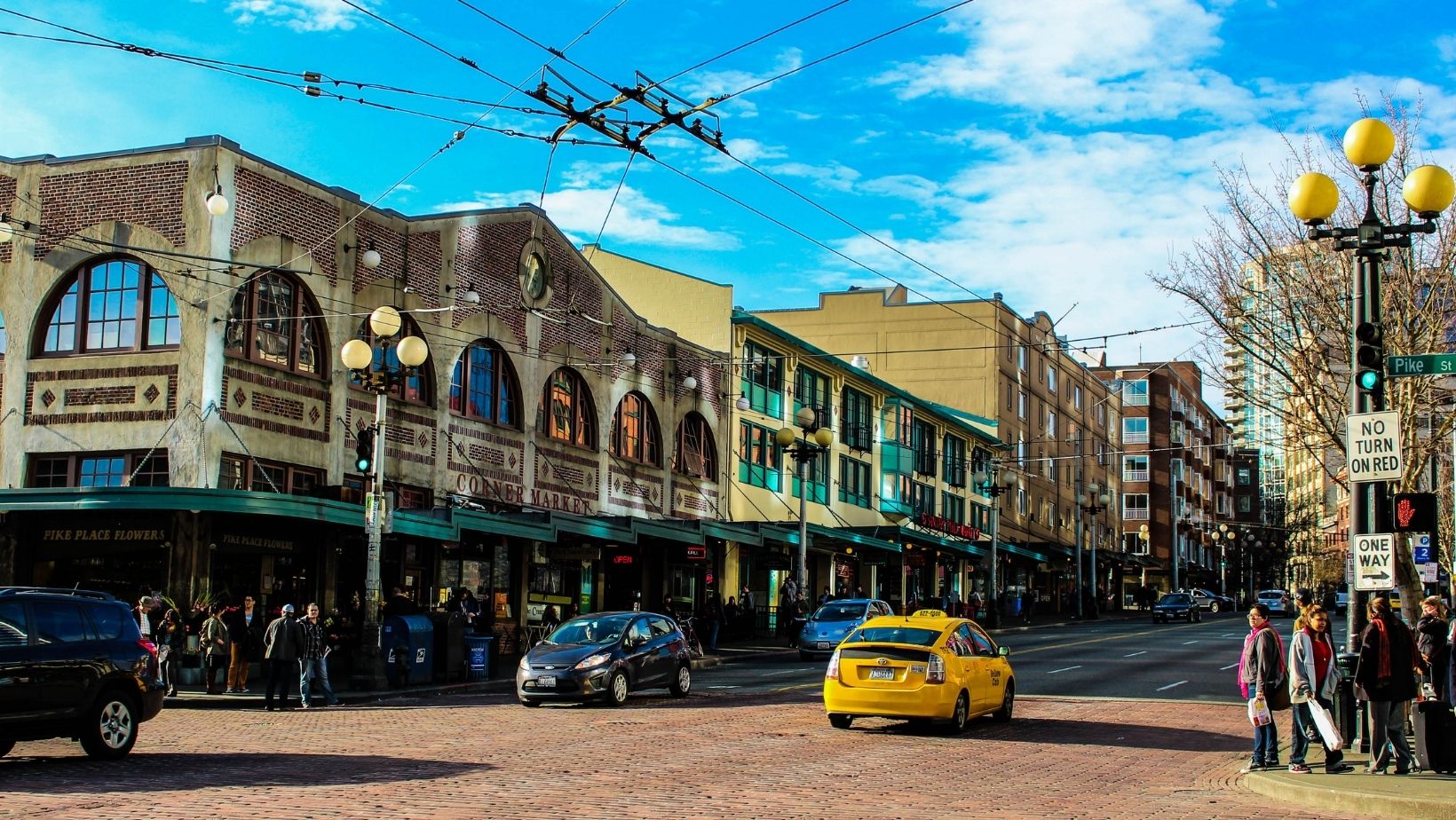
Here is a breakdown of the specific neighborhoods and streets that offer the best car-free living in the city.
Capitol Hill: The Vibrant Cultural Core
Capitol Hill is the undisputed center of energetic, highly walkable urban living in Seattle. The neighborhood is anchored by the bustling Broadway and Pike/Pine corridors. These main thoroughfares offer an unmatched concentration of award-winning dining, lively nightlife, and boutique shopping, all right outside your front door.
The lifestyle here is fast-paced and vibrant. Imagine securing a modern townhome with just enough space to breathe, yet remaining only two blocks away from the city’s best espresso and immediate light rail transit access. The Capitol Hill station connects you directly to downtown, the university, and the airport in minutes.
It is worth addressing the terrain. While the neighborhood is named Capitol Hill, the main commercial plateau itself is remarkably flat. Once you are up on the ridge, the streets are densely packed and extremely pedestrian-friendly. You get all the benefits of high-elevation views without having to hike a steep grade just to buy milk.
Ballard: Historic Charm Meets Everyday Convenience
If you prefer a self-contained, community-focused feel, Ballard is a premier walkable destination. Located in the city’s northwest corner, this neighborhood blends its maritime history with a modern, trendy aesthetic. Ballard Avenue NW and Market Street serve as the main arteries for foot traffic.
These streets are famous for their dense concentration of independent boutiques, local breweries, and some of the best seafood in the Pacific Northwest. The crown jewel of the neighborhood is the year-round Sunday farmers market, which shuts down the street to cars and fills the avenue with local vendors and live music.
For homebuyers who want to avoid steep inclines entirely, Ballard is an ideal hidden gem. The terrain near the main commercial district is relatively flat. Picture stepping out of a sun-soaked townhouse and walking seamlessly into a thriving, community-centric streetscape without breaking a sweat.
Fremont & Belltown: From Quirky to Downtown Sleek
Seattle’s diverse neighborhoods mean you can choose the exact flavor of walkability that suits you best. Fremont and Belltown offer a perfect study in contrasts, appealing to very different buyer preferences.
Fremont proudly calls itself the “Center of the Universe” and delivers a quirky, art-filled lifestyle. The walkability here is heavily tied to the outdoors. The Burke-Gilman Trail runs directly through the neighborhood, offering miles of paved, car-free pathways for walkers and cyclists. The streets radiating from Fremont Avenue North are packed with vintage shops, public art installations, and active community spaces.
Belltown, on the other hand, offers high-density, sleek downtown living. Anchored by 1st Avenue and 2nd Avenue, this neighborhood is all about immediate access. You can walk to high-end grocery stores, the waterfront, and major downtown tech hubs in minutes. It is the ultimate choice for professionals who want a zero-commute lifestyle and love the energy of a dense urban grid.
Comparing Seattle’s Walkable Hubs
| Neighborhood | Key Walkable Streets | Primary Vibe | Terrain/Walkability Notes |
|---|---|---|---|
| Capitol Hill | Broadway, Pike/Pine | Vibrant, cultural, energetic | Flat plateau on top of a steep hill; excellent transit access. |
| Ballard | Ballard Ave NW, Market St | Historic, community-focused | Very flat; highly walkable and self-contained commercial hub. |
| Fremont | Fremont Ave N, 36th St | Quirky, artsy, active | Hilly in spots, but offers excellent, flat trail access via the Burke-Gilman. |
| Belltown | 1st Ave, 2nd Ave | Sleek, dense, urban | Flat city grid; immediate pedestrian access to downtown offices and the waterfront. |
Conclusion
Walkable streets in Seattle offer an unmatched blend of vibrant community culture and secure financial return. Choosing a pedestrian-friendly neighborhood is about much more than just skipping the evening traffic. It is an investment in your daily happiness and your long-term wealth.
Whether you are drawn to the historic, flat streets of Ballard or the energetic, transit-connected core of Capitol Hill, a completely car-free life is highly attainable in this city. You just need to know where to look. Seattle provides a diverse range of neighborhoods that cater to any lifestyle preference.