
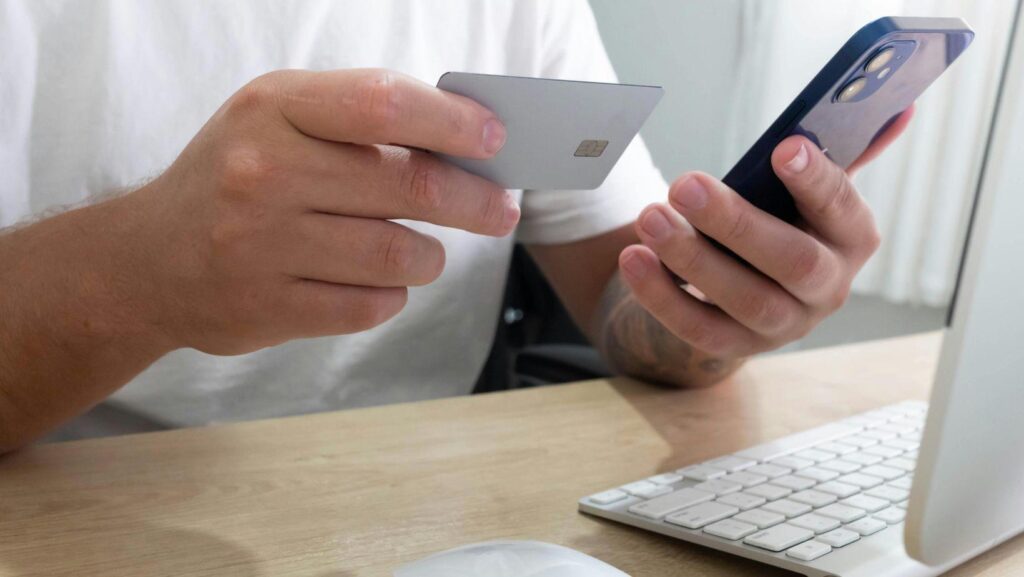
Online casino payments have burst onto the scene as significantly safer over the past year. Most platforms now pack bank-level encryption and multi-factor authentication. If you’re hesitant about depositing money at an online casino, understanding the actual security infrastructure can zap your anxiety. This guide walks through the real protective measures that separate trustworthy operators from risky ones.
Registration and Security Basics
When you sign up at or an Harry Casinoy reputable operator, the first line of defense is the registration process itself.
Legitimate casinos require identity verification and proof of address before allowing deposits. This seems annoying but actually protects your account from unauthorised access.
This KYC (Know Your Customer) requirement isn’t bureaucratic busywork—it’s a direct barrier against fraud and money laundering and it works in your favour too.
Most quality operators now display trust indicators prominently on their site. Look for SSL certificates (that little padlock next to the URL), valid gaming licences from recognised authorities and security seals from independent auditors.
The presence of these badges indicates the operator has invested in legitimate compliance rather than just hoping nobody notices their questionable practices.
Encryption and Payment Gateway Security
Your financial data travels through what’s called a secure payment gateway—think of it as an armoured tunnel between your bank and the casino.
Industry-standard 256-bit encryption (the same technology used by major banks and financial institutions) encodes your card details so thoroughly that intercepting them mid-transmission would require computational power that remains economically unfeasible.
This isn’t theoretical protection; it’s the practical standard across reputable platforms.
When you enter your payment information, quality operators never store your full card number. Instead, they receive a token from the payment processor—essentially a reference number that means nothing if stolen.
This tokenisation system means even if someone broke into the casino’s database, they’d find encrypted references rather than usable card details.
Choosing Safe Payment Methods
Different payment options surge with varying layers of protection. Here’s what the market looks like right now:
|
Payment Method |
Fraud Protection |
Processing Speed |
Best For |
|
Credit/Debit Cards |
Chargeback protection via bank |
1-3 days |
Convenience |
|
E-wallets (PayPal, Skrill) |
Transaction reversal options |
Instant |
Extra security layer |
|
Bank Transfers |
Direct verification |
1-2 days |
Larger deposits |
|
Cryptocurrency |
User responsible |
10-60 minutes |
Privacy-focused players |
E-wallets deserve special mention here. By placing your e-wallet account between your bank and the casino, you add an intermediary that’s incentivised to prevent fraud.
PayPal and Skrill maintain their own fraud detection systems and will refund disputed transactions quickly.
Protecting Yourself Against Common Threats
Your responsibility extends beyond choosing a secure operator. Several practical steps minimise your exposure:
- Use strong, unique passwords for your casino account—ideally generated by a password manager that you don’t manually type anywhere
- Enable two-factor authentication on both your casino account and your payment method’s account
- Only deposit from secure home networks; avoid public WiFi even with VPNs for financial transactions
- Monitor your bank and casino statements regularly for unauthorised activity
- Never respond to emails asking you to “verify” your account details, regardless of how official they appear
Reputable casinos flag unusual deposit patterns automatically. If you suddenly try to deposit £5,000 from a new device in a different country, the system will likely request additional verification.
This isn’t harassment—it’s the operator protecting both themselves and you.
Building Confidence Through Awareness
The anxiety around online casino payments often exceeds the actual risk, particularly at established operators with legitimate licences.
Your bank already protects you against fraudulent charges and licensed casinos face regulatory fines that dwarf any single player’s deposit.
When these interests align, security becomes genuinely robust.
Before making your first deposit, spend ten minutes verifying the operator’s licence on the relevant gaming authority’s official website. Check independent review sites for user complaints. Read their privacy policy to understand how your data gets handled.
These steps take minimal time and provide real confidence that you’re depositing at a legitimate operation. Your caution isn’t paranoia—it’s reasonable due diligence.