
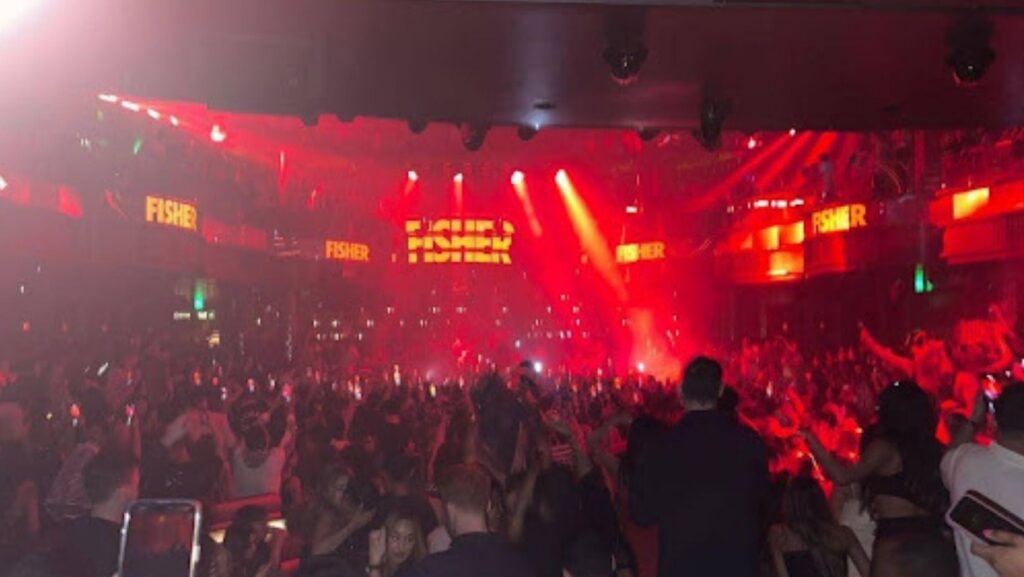
The typical Vegas itinerary looks identical across groups: gamble at a casino, see a show, eat at a buffet, book one club night. That covers the obvious boxes, but it ignores what actually brings people back multiple times. Exploring Las Vegas beyond the tourist checklist reveals a completely different city.
Did you follow the basic first-timer route, or did you see what Vegas built beyond the Strip?
What Vegas Built on Top of the Casinos
The way it works is this: Vegas rebuilt itself starting around 2004. The casino floors still run 24/7, but the city layered serious infrastructure on top that first-timers don’t know exists. Restaurants operated by actual chefs with reputations, not buffet setups designed for volume throughput. An arts district downtown with independent shops and galleries the casino corporations don’t control. Entertainment options beyond the standard Cirque shows. Outdoor hiking 20 minutes west that surprises anyone who thought Vegas sits in flat nothing.
Begin with the Strip because the sheer scale is worth seeing firsthand. Bellagio, Venetian, and MGM Grand aren’t just large hotels. They’re self-contained ecosystems built to maximize how long you stay inside spending money.
How the Casino Layout Works
The casinos design everything to extend your time inside. Exits are deliberately hard to find. No clocks on any walls so you lose track of time. Lighting stays identical whether it’s 2 PM or 2 AM. Free drinks show up the second you sit down at a table or slot machine.
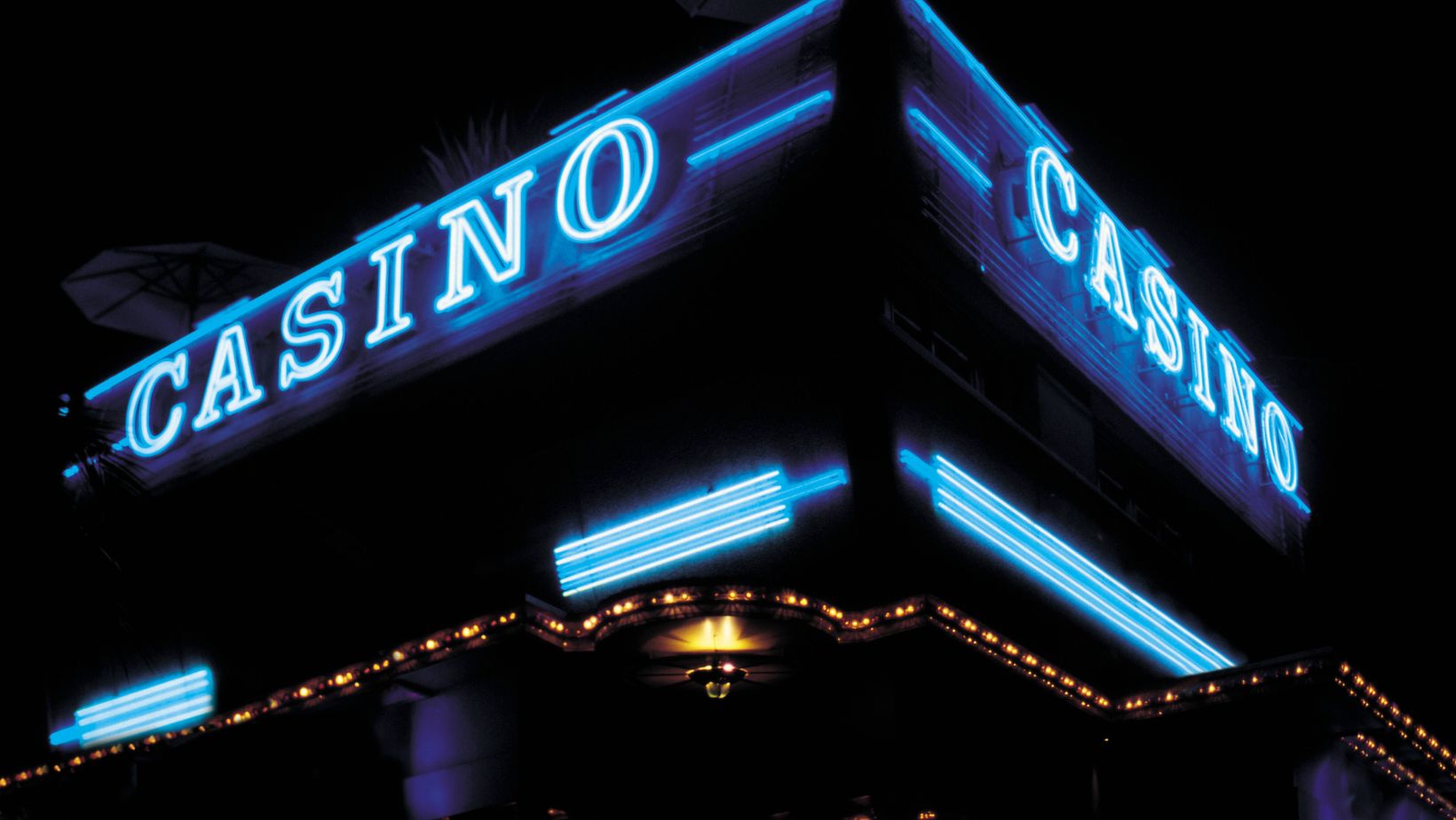
If you pay attention instead of just drifting between games, you see how intentional the layout is. Nothing is there for decoration. Every design choice exists to keep you inside longer and spending more money.
Downtown and the Arts District
Fremont Street is the center of downtown Las Vegas. Drinks run 30 to 50 percent cheaper than Strip pricing. Casinos operate smaller with older layouts. Table minimums sit 40 to 60 percent lower. People who visit regularly stick to downtown because it costs less and operates without the corporate overlay the Strip has.
The Arts District is a few blocks west. Independent galleries, local-owned restaurants, vintage stores, businesses operating at street level that aren’t controlled by casino companies. This is where you see how people live in Vegas when they’re not serving Strip tourists.
Container Park takes 2 to 3 hours if you’re already in the area. Shipping containers repurposed into retail and food vendors around an open courtyard with live music. It won’t crack anyone’s top 10, but it demonstrates how Vegas developed beyond casino-only infrastructure.
Red Rock Canyon and Outdoor Access
Red Rock Canyon sits 20 minutes west of the Strip. Most people assume Vegas is surrounded by nothing but flat desert. Not accurate.
Red Rock features sandstone formations, real elevation changes, and maintained trails. It’s an actual 3 to 4 hour outdoor experience that has nothing to do with gambling or clubs. Drive out around 9 AM, hike until noon, return to your hotel by 1 or 2 PM with time to rest before nightlife starts.
If you have a rental car and a free morning, go early before 9 AM in summer, before 10 AM in winter. The parking lot fills fast on weekends.
The Restaurant Scene
Las Vegas dining changed completely starting around 2008. If you think it’s still just overpriced buffets in hotel casinos, you’re working with decade-old information.
The city built out restaurants operated by recognized chefs: Gordon Ramsay, Joël Robuchon, José Andrés. Also independent local places that operate outside the casino system entirely. The quality is real.
Chinatown along Spring Mountain Road runs for several miles west of the Strip. Vietnamese, Korean, Japanese, and Chinese restaurants sit next to each other in strip malls that look completely ordinary from the outside. The food is what draws people—locals eat here regularly, not just tourists looking for something different.
If you’re taking one meal off the Strip during your trip, go to Chinatown. Pick any restaurant that’s busy at dinner time. You’ll eat better and spend less than you would at most Strip restaurants.
Timing and How to Move Through the City
Your experience comes down to pacing, not volume. String together nightclubs, pool parties, shows, and dinners with no breaks, and you’ll be wiped out by the second day. The groups that actually enjoy their trips build downtime between activities instead of booking every hour solid.
Early mornings on the Strip are empty. Most visitors sleep until 10 or 11 AM after staying out late. That makes 7 to 9 AM perfect for walking the Strip without crowds, looking at the architecture, and getting breakfast without waiting in line.
Late afternoon—around 4 to 6 PM—the light changes and the desert landscape around Vegas becomes worth photographing if you’re somewhere with a view. Most people are inside getting ready for dinner or recovering from the pool. Use that time.
The way to maximize a Vegas trip: plan your must-do activities, then leave gaps between them. Those gaps are where the unexpected stuff happens—conversations with locals, stumbling into a bar you didn’t know about, staying somewhere longer because it’s actually good.
The Final Word
One trip doesn’t cover what Vegas actually offers. The city changes fast enough between visits that coming back makes sense, not just for repeat experiences. Come once looking beyond the obvious tourist stops, and you’ll be planning the next trip before your flight home.