
Wilderness emergencies require immediate, decisive action because professional help is often hours away. Mastering basic first aid and CPR ensures you can stabilize injuries, manage environmental threats, and keep your group safe when off the grid.
There is nothing quite like the peace of a remote hiking trail or a quiet weekend camping by the lake. The further you get from city noise, the better. But that isolation comes with a serious catch. When things go sideways in the wilderness, you cannot rely on a five-minute ambulance response time.
A few years ago, a friend of mine took a bad fall while we were scrambling up some rocks. We were miles from the trailhead and had spotty cell service. Because we had taken a course with C2C First Aid, we didn’t panic. We knew exactly how to splint the arm and prevent him from going into shock. That training turned a potential disaster into just a really bad afternoon.
What Happens When You Are Off the Grid?
In an urban setting, first aid is about keeping someone alive until the paramedics walk through the door. In the backcountry, you are the paramedic. You might have to manage a patient for hours before Search and Rescue can reach your coordinates.
This reality shifts how you handle emergencies. You have to be hyper-aware of environmental factors. If someone is injured and immobile on the ground, hypothermia becomes an immediate threat, even in the summer. You learn to prioritize shelter and warmth alongside treating the actual physical wound.
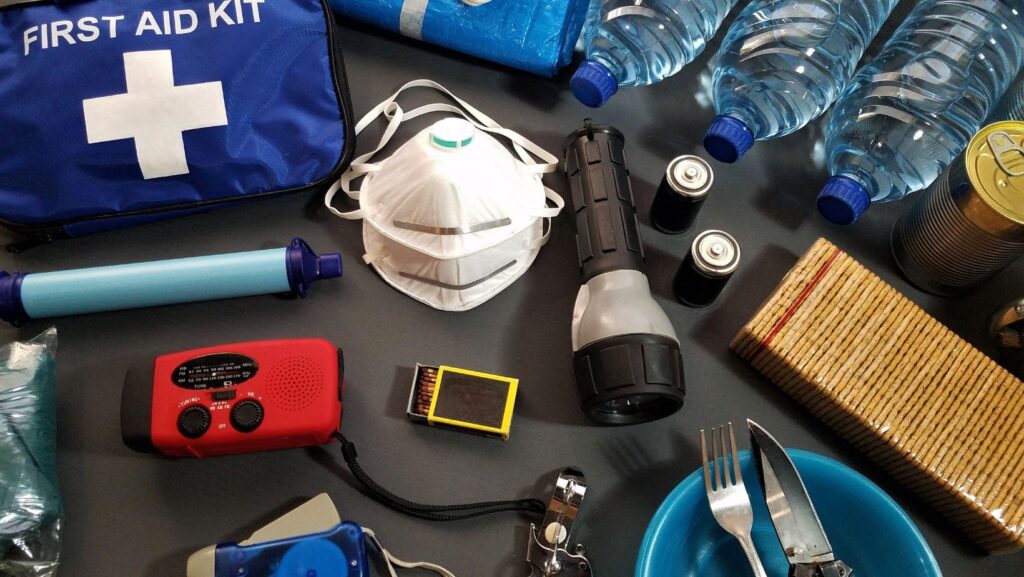
What Should Be in Your Wilderness Kit?
Pre-packaged first aid kits from big-box stores are rarely enough for a real outdoor adventure. You need to customize your gear based on the terrain.
- Pressure Bandages: Essential for heavy bleeding from deep cuts or animal encounters.
- Thermal Blankets: Lightweight and crucial for preventing shock and hypothermia.
- Splinting Material: A SAM splint or similar moldable tool to stabilize fractures for the hike out.
- EpiPen and Antihistamines: For severe allergic reactions to unknown plants or insect stings.
How Does Training Prepare You Mentally?
The biggest benefit of taking a proper blended learning course isn’t just the physical skills—it is the mental clarity. When adrenaline spikes during an emergency, your brain tends to freeze.
Practicing scenarios on a mannequin builds muscle memory. It teaches you how to step back, assess the scene for danger, and systematically check the patient’s airway, breathing, and circulation. This structured approach stops you from making rash decisions that could put the rest of your group in danger.
Ready to Upgrade Your Outdoor Skills?
If you are looking for first aid training near the South Central area, right around the E.C. Row Expressway, or other areas close to our facility near Devonshire Mall, then you may reach out to Coast2Coast First Aid & Aquatics in that area. For more info and articles like this, visit: https://www.c2cfirstaidaquatics.com/
Frequently Asked Questions
Is standard first aid enough for wilderness hiking? Standard First Aid is an excellent baseline and covers the vital life-saving skills. However, if you spend days in the deep backcountry, you might eventually want to look into specialized Wilderness First Aid courses.
How do I handle a deep cut if I am hours from a hospital? Apply continuous direct pressure using sterile gauze. If blood soaks through, do not remove the gauze; simply add more on top. Elevate the wound above the heart if possible.
What is the best way to handle a suspected broken bone on the trail? Do not try to realign the bone. Immobilize the limb in the exact position you found it using a splint or rolled-up clothing, and secure it above and below the joint.
Are online-only first aid certificates valid? No, fully online certificates are usually not WSIB/OHS approved in Canada. You must complete the in-person, hands-on skills session to get properly certified.
How do I prevent shock in a wilderness setting? Keep the injured person calm and laying down. Elevate their legs slightly if there are no spinal injuries, and insulate them from the cold ground using a sleeping pad or thermal blanket.