
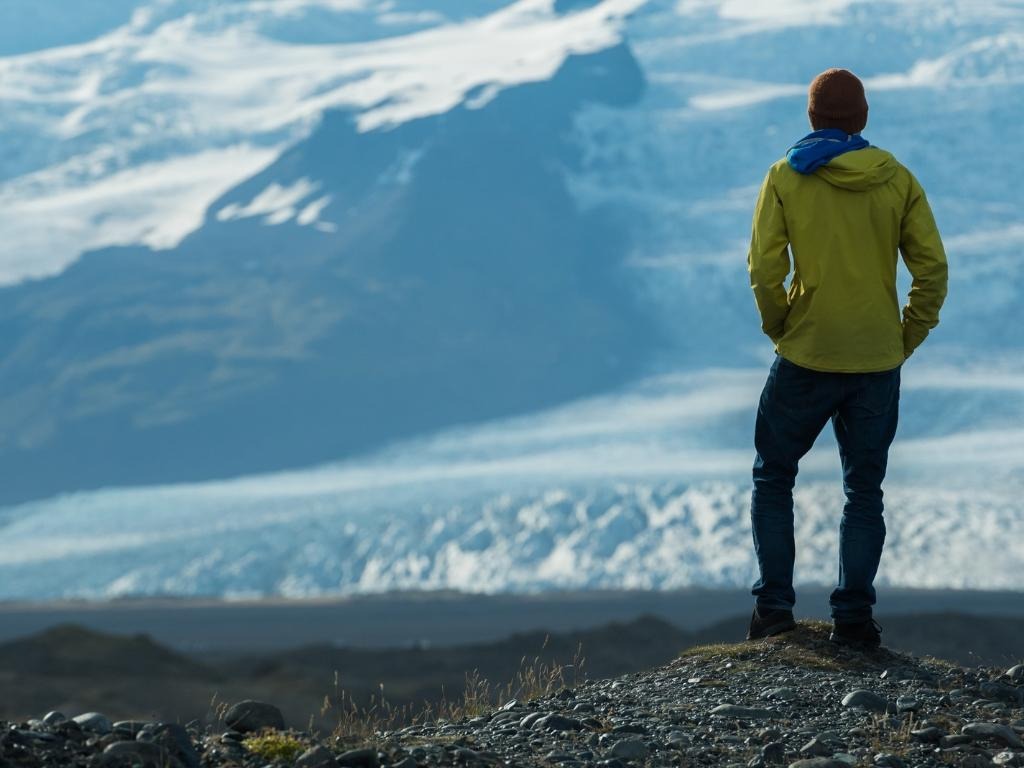
Some journeys begin with months of planning. Others begin with an unexpected gap in the calendar, an appealing flight fare or the sudden feeling that it is time to go somewhere extraordinary.
Iceland is particularly well suited to spontaneous escape. Within a few days, travellers can experience volcanic landscapes, powerful waterfalls, black-sand beaches, geothermal pools and a capital city filled with inviting restaurants and cultural attractions. The scenery changes quickly, making even a relatively short journey feel full of variety.
A successful last-minute holiday still benefits from a little structure. The key is to focus on a manageable region, decide which experiences matter most and leave enough flexibility for Iceland’s weather. With those foundations in place, a spontaneous decision can become one of the year’s most memorable adventures.
Why Iceland Works at Short Notice
Iceland offers an unusual concentration of remarkable landscapes within reach of Reykjavík.
Travellers can arrive in the capital, settle into their accommodation and begin exploring without committing to an ambitious journey around the entire country. The Golden Circle, the Reykjanes Peninsula and the waterfalls and beaches of the South Coast can all form part of a shorter itinerary.
This variety makes Iceland appealing for trips of several different lengths. A long weekend may include Reykjavík, geothermal bathing and a private Golden Circle journey. Four or five days allow time to travel farther along the South Coast, where waterfalls descend from dramatic cliffs and black-sand beaches meet the North Atlantic.
Those with a full week can slow the pace, add a glacier experience or spend a night or two in the countryside.
A focused route often creates a more enjoyable trip than trying to see every region at once. Iceland’s landscapes deserve time, and the journey becomes far more rewarding when each day has room for unhurried stops.
Begin with the Essentials
When planning close to departure, it helps to secure the most important parts of the trip first.
Flights and accommodation should take priority, particularly during busy travel periods. Once these are confirmed, travellers can arrange transport, airport transfers and the experiences they would be most disappointed to miss.
Geothermal lagoons, glacier activities and popular restaurants may have limited availability, so booking one or two priorities early can provide the trip with a clear framework. The remaining time can stay flexible.
A practical order is:
- Confirm flights.
- Reserve accommodation.
- Decide how to travel between regions.
- Book essential activities.
- Add restaurants and optional experiences.
This approach reduces the pressure to organise every detail immediately. Once the main pieces are in place, the itinerary can develop around them.
Choose One Region and Explore It Well
The temptation to travel around Iceland’s entire Ring Road is understandable. The route passes through a remarkable range of landscapes, but it also involves considerable driving.
For a spontaneous trip, Reykjavík and South Iceland provide an excellent introduction to the country.
A Golden Circle day can include Þingvellir National Park, the geothermal area around Geysir and Gullfoss waterfall. These celebrated locations offer a combination of geology, history and natural power within a relatively compact route.
The South Coast brings another change of scenery. Seljalandsfoss and Skógafoss are among the region’s best-known waterfalls, while the coastline around Vík is defined by dark beaches, sea stacks and high cliffs. Farther east, glacier outlets descend towards broad plains beneath the Vatnajökull ice cap.
Travellers with less time can select a few highlights. Those staying longer can spend nights outside Reykjavík and enjoy a gentler pace.
Let the Season Shape the Experience
Iceland offers a distinct atmosphere in every season, so a last-minute journey can be planned around the conditions rather than a fixed idea of what the country should look like.
Summer brings long hours of daylight, green landscapes and more time for evening exploration. It is an excellent period for scenic drives and outdoor activities, although popular accommodation and experiences may fill quickly.
Autumn introduces richer colours and darker evenings. The return of night creates the possibility of seeing the Northern Lights, while many natural attractions remain accessible.
Winter transforms the country through snow, low light and frozen landscapes. Seasonal experiences may include ice caves and aurora searches, although weather and road conditions require greater flexibility.
Spring brings lengthening days and a gradual transition towards summer. The atmosphere can feel quieter, while lingering snow continues to add drama to the mountains.
Rather than trying to recreate an itinerary designed for another season, travellers should allow the time of year to influence the route, pace and activities.
Keep the Itinerary Flexible
Icelandic weather can change quickly. Conditions may be calm and bright in one area while wind or rain moves through another.
For last-minute travellers, flexibility is an advantage. There may be less attachment to a detailed schedule created months earlier, making it easier to adjust the day around local conditions.
This could mean changing the order of several stops, choosing a sheltered walk or spending more time enjoying Reykjavík’s museums, cafés and restaurants before returning to the countryside.
A flexible itinerary also leaves room for unexpected discoveries. A roadside viewpoint, a quiet coastal village or a change in the light can become as memorable as the major landmarks.
The aim is not to leave everything unplanned. A simple framework, supported by a few carefully chosen bookings, provides both direction and freedom.
Consider Expert Local Support
Arranging a spontaneous holiday can feel exciting, but limited availability and unfamiliar driving conditions may add pressure. Local knowledge can simplify the process, especially when travellers want to combine several regions or experiences in a short period.
Those thinking about a last minute Iceland trip can find further guidance from Hidden Iceland on bringing together accommodation, transport and tailored experiences at shorter notice.
A local specialist may also help travellers identify realistic alternatives when a preferred hotel or activity is unavailable. This can be particularly useful in Iceland, where a change of route may lead to an equally rewarding experience in another part of the country.
The strongest last-minute itineraries often feel carefully considered without becoming rigid.
Pack for Possibility
Packing for Iceland requires a practical approach in every season.
Layers are essential, as temperatures and conditions can shift throughout the day. A waterproof outer layer, warm mid-layer and sturdy footwear will make outdoor exploration far more comfortable. Gloves and a hat are useful well beyond the winter months.
A swimsuit also deserves a place in the bag. Geothermal bathing is part of Icelandic culture and offers a welcome way to relax after a day outdoors.
Travellers should also bring charging cables, any essential medication and a reusable water bottle. Icelandic tap water is exceptionally fresh, so there is little need to buy bottled water during the journey.
Make Room for Reykjavík
The countryside may be the main reason many people visit Iceland, but Reykjavík adds another dimension to a spontaneous escape.
The capital is compact and easy to explore on foot. Visitors can discover contemporary architecture, museums, independent shops and a food scene shaped by local seafood, lamb and seasonal ingredients.
Reykjavík also works well as a flexible base. A day in the city can be moved around the itinerary if the weather changes, and its geothermal swimming pools provide an accessible alternative to larger spa experiences.
An evening in Reykjavík offers the chance to slow down over dinner, reflect on the landscapes already seen and prepare for the next day’s adventure.
The Pleasure of Going Now
Spontaneous travel has its own energy. There is less time to build expectations and more opportunity to experience the destination as it unfolds.
Iceland suits this sense of possibility. Its landscapes are dramatic, yet many of its greatest experiences are accessible within a few days. A focused route can bring together waterfalls, geothermal areas, volcanic scenery, local food and restorative moments in warm water.
The trip does not need to cover the whole country to feel complete.
With realistic priorities, adaptable plans and enough space for unexpected discoveries, a last-minute escape to Iceland can feel both effortless and deeply rewarding. Sometimes the most memorable journey begins with the simple decision to go.