
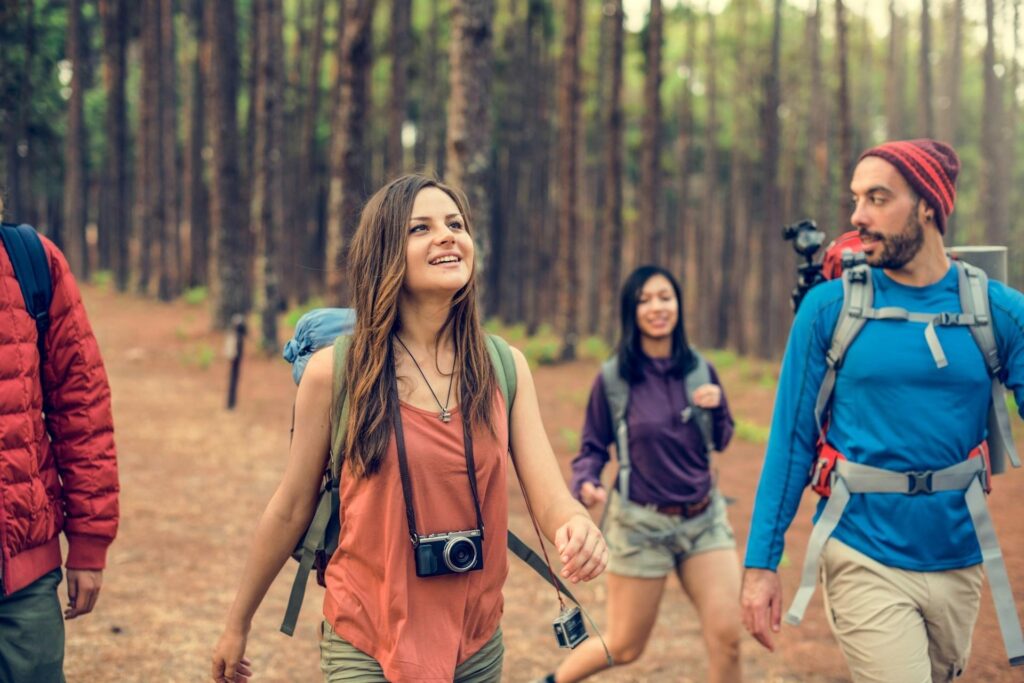
For many outdoor enthusiasts, the journey begins long before the first hiking trail, mountain summit, or campsite comes into view. Planning transportation often represents one of the largest expenses of any adventure, especially when flights are involved. While outdoor travellers are usually willing to invest in unforgettable experiences, few want to spend more on getting there than necessary.
Fortunately, saving money on travel does not have to mean sacrificing convenience or missing out on quality experiences. With thoughtful planning, strategic use of travel rewards, and a better understanding of airline pricing, travellers can significantly reduce transportation costs. The money saved on flights can then be redirected toward guided tours, national park passes, quality outdoor equipment, or a few extra nights exploring a destination.
Every Dollar Saved on Flights Can Improve the Adventure
Outdoor travel often comes with expenses that traditional city breaks do not. National park entrance fees, camping permits, specialised equipment rentals, guided excursions, shuttle services, and outdoor clothing all add to the total budget. Finding ways to reduce airfare allows travellers to spend more on the experiences that motivated the trip in the first place.
Experienced travellers rarely rely on luck when booking flights. Instead, they compare prices across different dates, monitor fare changes, use loyalty programmes, and take advantage of travel benefits available through reward credit cards. Over time, these small savings can make ambitious outdoor adventures far more affordable.
Travellers looking to improve their travel strategy often turn to resources like Frugal Flyer, which focuses on airline loyalty programmes, travel rewards, credit cards, hotel points, airport lounge access, companion vouchers, and practical strategies for reducing travel costs. Rather than simply highlighting cheap airfare, the platform explains how travellers can maximise reward programmes and credit card benefits to make both domestic and international trips more affordable. For people who regularly travel to hiking destinations, national parks, or remote outdoor locations, understanding these travel tools can lead to meaningful long-term savings.
Flexibility Creates More Opportunities
One of the simplest ways to reduce airfare is to remain flexible whenever possible. Even shifting departure or return dates by one or two days can produce significant price differences, particularly during popular travel periods.
Many outdoor destinations become especially busy during weekends and school holidays. Travelling midweek often results in lower airfares while also providing quieter trails, less crowded campsites, and a more relaxed overall experience.
Shoulder seasons deserve consideration as well. Visiting destinations just before or after peak tourist periods often combines lower transportation costs with comfortable weather and smaller crowds, creating a better balance between affordability and enjoyment.
Don’t Focus Only on the Cheapest Ticket
The lowest advertised airfare is not always the best overall value. Budget airlines may charge additional fees for carry-on bags, checked luggage, seat selection, and even onboard refreshments. Those extra costs can quickly erase the savings of a lower base fare.
Outdoor travellers should also consider the practical side of their itinerary. A flight with multiple long layovers may appear cheaper initially but could require overnight accommodation, additional meals, or airport transportation. Spending slightly more on a direct flight may actually reduce total travel costs while preserving valuable vacation time. Evaluating the complete cost of a journey rather than simply comparing ticket prices often leads to better financial decisions.
Planning Outdoor Gear Around Airline Rules
Packing for outdoor adventures requires more planning than an ordinary holiday. Hiking boots, camping equipment, climbing gear, fishing equipment, or photography accessories can all affect baggage requirements.
Checking airline baggage policies before booking allows travellers to estimate total transportation costs more accurately. In some cases, paying slightly more for an airline that includes checked baggage represents better value than selecting a cheaper fare with expensive baggage fees. Whenever practical, choosing lightweight equipment, versatile clothing, and compact gear can reduce luggage requirements without affecting the quality of the adventure.
Responsible Planning Makes Outdoor Trips Better
Successful outdoor adventures depend on more than simply arriving at the destination. Weather conditions, trail closures, seasonal restrictions, wildlife activity, and local regulations all influence the overall experience.
The U.S. National Park Service encourages visitors to research trail conditions, understand seasonal safety guidance, and prepare appropriately before visiting protected natural areas. Taking time to plan ahead not only improves safety but also helps travellers avoid unexpected expenses caused by weather disruptions, restricted access, or inadequate preparation. Combining careful travel planning with responsible outdoor preparation creates a smoother and more enjoyable experience from beginning to end.
Loyalty Programmes Reward Frequent Adventurers
Travellers who regularly visit outdoor destinations should not overlook airline and hotel loyalty programmes. Even those who only take one or two major trips each year can gradually accumulate valuable points through flights, everyday spending, or travel credit cards.
Reward points can reduce airfare costs, provide hotel discounts before or after wilderness trips, or offer airport lounge access during long connections. Some programmes also include travel insurance, rental car discounts, or companion travel benefits that further increase overall value.
The most successful travellers understand that rewards become more valuable when earned consistently and redeemed strategically rather than being used as soon as they become available.
Build a Budget That Prioritises Experiences
Many travellers automatically devote most of their budget to transportation without considering how those costs affect the rest of the trip. A more balanced approach focuses on identifying savings during the planning stage so that additional funds remain available for experiences at the destination.
Reducing airfare may allow travellers to book an experienced mountain guide, extend their stay by several days, upgrade camping equipment, or participate in activities they might otherwise have skipped. These experiences often become the highlights people remember long after returning home. Planning with the overall experience in mind rather than concentrating exclusively on transportation costs leads to more satisfying adventures.
Travel Smarter, Explore More
Outdoor adventures do not have to come with overwhelming travel costs. Careful planning, flexible travel dates, thoughtful packing, and effective use of travel rewards can significantly reduce the price of reaching extraordinary destinations.
The most experienced travellers understand that saving money is not about choosing the cheapest option at every opportunity. It is about making informed decisions that maximise value while preserving comfort, convenience, and flexibility. By lowering transportation expenses through smarter booking strategies and making the most of available travel benefits, outdoor enthusiasts can dedicate more of their budget to exploring mountains, forests, coastlines, and national parks, creating richer experiences without stretching their finances.