
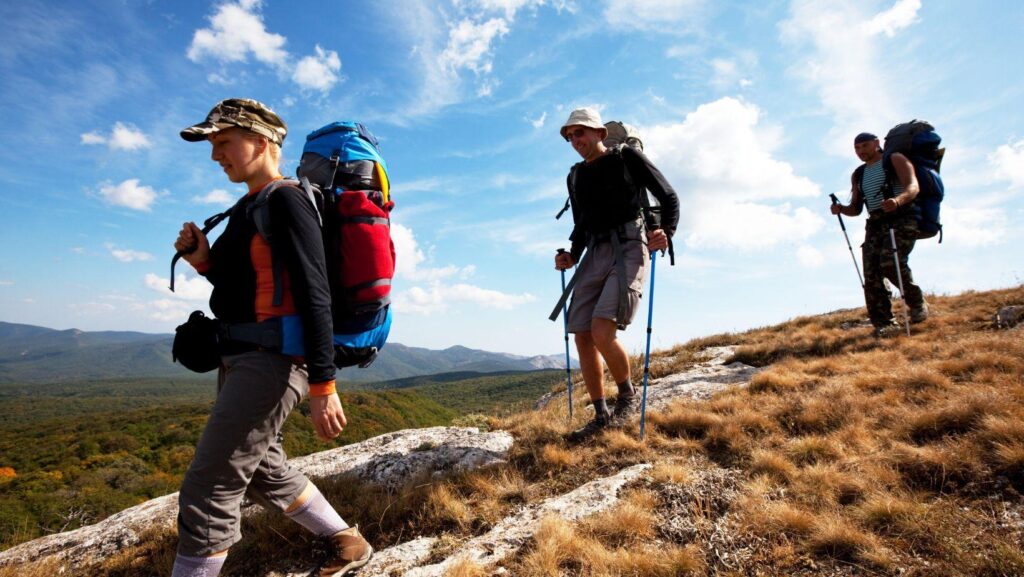
Sometime around March this year, Australia quietly became the destination US hikers couldn’t stop searching. TravelAge West clocked a 58% surge in Australian travel searches among Americans in the first half of 2026. That’s not a blip. That’s a category shift. And if you’re an OutsideDomain reader who’s been eyeing the Overland Track or the Cape to Cape for years, this is the moment to actually go.
But here’s what most destination guides skip: Australia isn’t just a trail network. It’s a travel culture. And understanding how Australians approach adventure. How they book, pay, plan downtime, and move money. Will save you a lot of confusion on the ground.
Aussie outdoor travelers are relentlessly mobile-first. Trail permits get booked via app. Shuttle transfers split through PayID and Beem It. Long transfer legs from Hobart to Launceston or Fremantle to Albany get filled with whatever’s on the phone. That same frictionless, no-bank-interference mindset explains why crypto casinos in Australia have surged so sharply. They fit the way digitally-native Australians already move money, without the delays and declined-card frustrations that come from routing through a traditional bank mid-trip.
That’s context worth having before you land. Now let’s talk about the trails.
What’s Actually Opening in 2026
Time Out Australia published a solid rundown of new and reopened Australian hikes launching this year, and the list is worth bookmarking before you start itinerary planning. The short version: New South Wales has done serious trail infrastructure work post-bushfire recovery, and Western Australia’s south-west corner is having a moment.
Margaret River, which AllTrails put on its global 2026 bucket list, is the name US hikers keep landing on. Deservedly so. The Cape to Cape Track runs 135 kilometers along limestone cliffs and through karri forest. Multi-day, well-marked, and genuinely dramatic without requiring technical skill. You’ll do 20km days on uneven terrain, but you won’t need crampons or a rope.
Then there’s Tasmania. The Overland Track is the benchmark multi-day alpine route in the Southern Hemisphere, and the permit system is strictly capped at 60 walkers per day during the November-to-April season. If you’re targeting Tasmania, book permits the day they open. They go fast.
For something less logistically demanding, the Larapinta Trail in the Northern Territory covers 223 kilometers of West MacDonnell Ranges country. You can section-hike it. The remoteness is real. Water caches, satellite phone strongly advised. But it’s the kind of walking that resets something in your head.
Gear: What Translates and What Doesn’t
Most of your US kit carries over. The main adjustments are around sun exposure and water management.
Australia’s UV index is punishing in a way that’s different from Colorado or Utah. Even overcast days hit UV 8 or 9 in Queensland. UPF-rated shirts aren’t a nice-to-have. They’re trail standard. Check out OutsideDomain’s guide to outdoor gear brands for brand options across price points if you need to fill gaps before you fly.
Water is the other thing. You’re used to relying on streams and snow melt on US trails. In much of outback and arid-zone Australia, you’re planning around water caches set by trail associations. On the Larapinta, sections can run 20+ kilometers between reliable sources. A 3-liter carry capacity minimum. A Sawyer Squeeze or similar filter is worth the weight.
Boots: if you’re bringing trail runners, go with a mid-cut with decent ankle wrap for the rocky stuff in the Red Centre. A broken-in mid-weight boot is fine for Tasmania.
The Permit and Booking Reality
American hikers sometimes underestimate Australian permit culture. It’s stricter than most of the US outside permit-heavy parks like Havasupai or Enchantments.
The Overland Track requires pre-purchased permits through Parks Tasmania. Cradle Mountain day-use areas now require shuttle reservations in peak season. The Cape to Cape has no permit cap, but commercial campsites fill months out. Book the accommodation, then figure out logistics around it. Not the other way around.
One thing that catches US visitors off guard: Australian national park entry fees are often minimal or zero, but the surrounding infrastructure (shuttles, ferries, campsites) can add up quickly. Budget AU$80-120 per person per day all-in for a self-guided Overland Track traverse once you factor shelters, transfers, and food.
On exchange rates: the AUD to USD has been trading around 0.65-0.67 through mid-2026, which means Australia is genuinely good value for Americans right now. That AU$120 day-cost comes out closer to US$78.
How Australians Actually Travel. And What It Means for You
Spend a week hiking with Australian trail communities and a pattern becomes obvious. They’re extremely good at traveling light financially. No fuss about foreign transaction fees. No declined cards at a Patagonia trailhead. They’ve built their payment habits around apps, crypto wallets, and platforms that don’t involve a bank making a judgment call about a weekend purchase.
Commonwealth Union’s 2026 coverage of Australia’s hiking tourism boom notes that culturally immersive and off-grid itineraries are driving most of the growth. And the travelers pursuing those itineraries tend to be the same people who solved their banking frictions through digital tools years ago. When an Aussie hiker spends four hours on a bus from Hobart to the Overland Track trailhead, they’re not reading a paperback. They’re on their phone managing logistics and, yes, entertaining themselves with whatever platform loads fastest on spotty coverage.
For US visitors, the practical takeaway is simpler: set up Apple Pay or Google Pay before you fly. The Visa tap-to-pay network in Australia is excellent. Most trail town cafes, gear shops, and shuttle operators will take a contactless payment. Carrying cash is optional. Carrying a card with foreign transaction fees is money left on the table.
What to Expect from Trail Towns
Strahan (Tasmania gateway), Exmouth (Ningaloo area), and Pemberton (south-west WA forests) are the three trail towns worth understanding before you go.
Strahan is tiny. Around 750 permanent residents. But it handles the Overland Track overflow cleanly. Accommodation books out by June for the following season. There are two decent gear outfitters if you’ve forgotten something critical.
Exmouth is the base for Cape Range National Park and Ningaloo Reef. It punches above its size for food and accommodation, partly because it doubles as a dive and snorkel destination. You’re not roughing it here. January-to-March heat is prohibitive for hiking; May-September is ideal.
Pemberton sits in tall karri forest and operates as a quiet, practical base. The Bibbulmun Track passes nearby, making it useful for section hikers working south-west WA without a full through-hike commitment.
FAQ
Do US hikers need a visa to enter Australia for a hiking trip? Yes. Most Americans qualify for an Electronic Travel Authority (ETA), which costs AUD$20 and takes minutes to process online. Apply before you fly. You won’t clear customs without it. It allows stays up to 90 days and covers tourism and recreation including multi-day hiking.
When is the best time of year for hiking in Australia? Depends on the region. Tasmania’s Overland Track runs November through April. The Larapinta Trail in the Northern Territory is best May through August. The Cape to Cape in WA suits September through November. Australia’s seasons are inverted from the US, so your Northern Hemisphere summer is Australian winter. Ideal for most inland and arid trails.
Do I need travel insurance for Australian hiking trails? Yes, and it’s worth reading the fine print on rescue coverage. Helicopter evacuation from a remote Tasmanian alpine section can cost AU$10,000 or more. Most standard travel policies cover this, but verify the activity classification. Some policies exclude multi-day wilderness trekking unless listed explicitly.
How do I book permits for the Overland Track? Through Parks Tasmania’s online portal. The walking season runs November 1 through April 30, with a strict cap of 60 walkers per day from Cradle Mountain. Permits go on sale in early September and sell out quickly. Off-season walks are unrestricted but require proper alpine winter kit.
Are Australian trail towns easy to navigate without a car? Not always. Shuttle services cover the popular routes well. Overland Track transfers are well-organized, and Cape to Cape logistics are manageable. But the Northern Territory and remote WA genuinely require either a 4WD rental or pre-arranged transfers. For most US visitors, renting a car gives you far more flexibility.
Planning the Trip Now
Australia rewards the hikers who plan six to nine months out. Permits, accommodation, and shuttle slots on the marquee routes don’t sit open waiting. If you’re targeting the 2026-2027 Tasmanian summer season, September permit release is the hard deadline to work backwards from.
The trails are excellent. The infrastructure is better than most US hikers expect. And the cultural gap is smaller than you’d think. Australians hike seriously, travel light, and move money with the kind of mobile-first efficiency that makes the logistics feel smooth once you’re in it.
Gambling involves risk. Please play responsibly and only wager what you can afford to lose. If you feel gambling is becoming a problem, visit BeGambleAware.org or call 1-800-GAMBLER.