
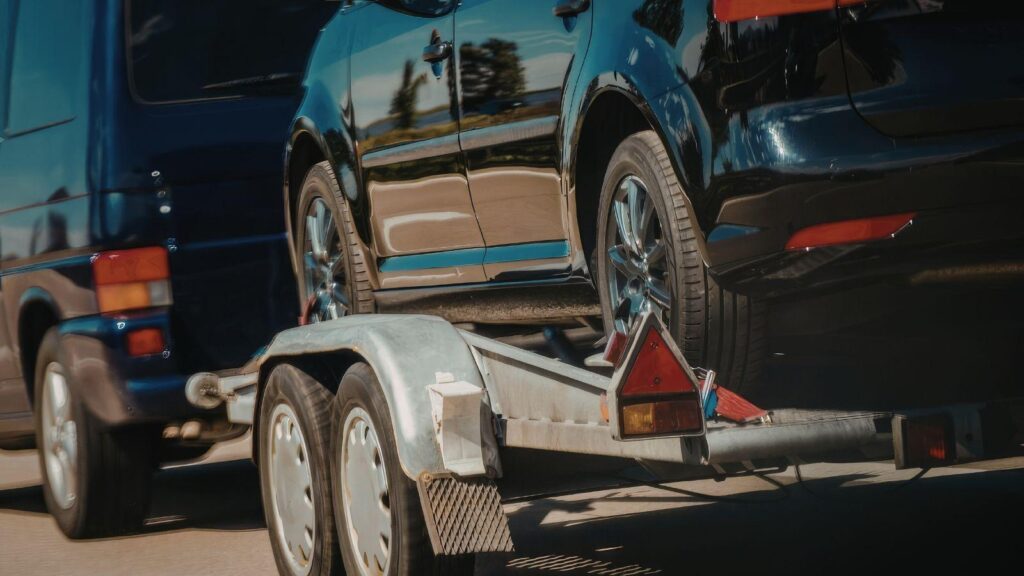
Moving a vehicle over a long distance can seem like a complicated task, especially when there are multiple logistical details to consider. Whether you are relocating for work, moving closer to family, or purchasing a vehicle from another state, understanding the process can help reduce stress and ensure everything goes smoothly. By following a clear plan, vehicle owners can save time, avoid unnecessary expenses, and feel more confident throughout the journey.
Assess Your Transportation Needs
The first step is determining exactly what type of transport service is required. Consider the distance involved, the type of vehicle being moved, and your preferred timeline. Some people need transportation for standard cars, while others may require specialized services for luxury vehicles, classic cars, motorcycles, or larger vehicles.
It is also important to decide whether convenience, speed, or budget is your primary concern. Having clear priorities will make it easier to choose the right transportation option.
Gather Information About Your Vehicle
Before arranging transportation, collect important details about the vehicle. This typically includes:
Providing accurate information helps ensure that transport providers can offer suitable services and accurate pricing. It also prevents unexpected issues during collection and delivery.
Compare Transportation Options
Once you know your requirements, the next step is exploring available transportation options. Different services may offer varying levels of flexibility, transit times, and pricing structures.
Researching available providers and comparing quotes can help you identify the best fit for your needs. For example, individuals looking for car shipping in Philadelphia often compare multiple transport options to find a service that aligns with their budget and schedule.
Taking time to evaluate your choices can lead to a smoother overall experience.
Request and Review Quotes
After narrowing down potential transportation providers, request detailed quotes. A reliable quote should clearly outline the costs involved and explain any additional fees that may apply.
When reviewing quotes, avoid focusing solely on the lowest price. Consider factors such as:
A well-rounded assessment often provides better value than simply choosing the cheapest option.
Prepare the Vehicle for Transport
Proper preparation is essential before handing the vehicle over for transportation. Begin by cleaning the vehicle inside and out. A clean exterior makes it easier to document any existing scratches, dents, or cosmetic imperfections.
Other preparation steps may include:
Completing these tasks helps protect the vehicle and minimizes potential complications during transit.
Conduct a Vehicle Inspection
Before the vehicle is loaded, both the owner and the transport provider typically conduct an inspection. This process creates a record of the vehicle’s condition before transportation begins.
Photographs are particularly useful during this stage. Taking clear pictures from multiple angles can provide valuable documentation should any concerns arise later.
Carefully reviewing inspection paperwork ensures that both parties have an accurate understanding of the vehicle’s condition.
Vehicle Pickup and Loading
On the scheduled pickup date, the transport provider collects the vehicle and prepares it for transit. Depending on the transportation method selected, the loading process may vary slightly.
Professional loading procedures are designed to keep vehicles secure throughout the journey. Once loaded, the vehicle begins its trip to the destination while transport personnel monitor progress and coordinate logistics.
Many providers also offer updates that allow customers to stay informed about the vehicle’s status while it is in transit.
Monitor the Transportation Process
Although the vehicle is no longer in your possession, staying informed remains important. Maintain communication with the transport provider and keep relevant contact information accessible.
If there are changes to delivery schedules due to weather, traffic, or other unforeseen circumstances, prompt communication can help manage expectations and prevent confusion.
Remaining proactive throughout the process contributes to a smoother experience.
Complete Delivery and Final Inspection
When the vehicle arrives at its destination, perform a thorough inspection before accepting delivery. Compare the vehicle’s condition with the original inspection report and photographs taken before transport.
Look for any signs of damage and confirm that the vehicle is operating as expected. If everything matches the documented condition, the final paperwork can be completed, officially concluding the transportation process.
Conclusion
Moving a vehicle across long distances becomes much more manageable when approached step by step. From evaluating transportation needs and gathering vehicle information to preparing for pickup and conducting a final inspection, each stage plays an important role in ensuring a successful outcome. With careful planning and attention to detail, vehicle owners can enjoy a smoother, more organized transportation experience from start to finish.