
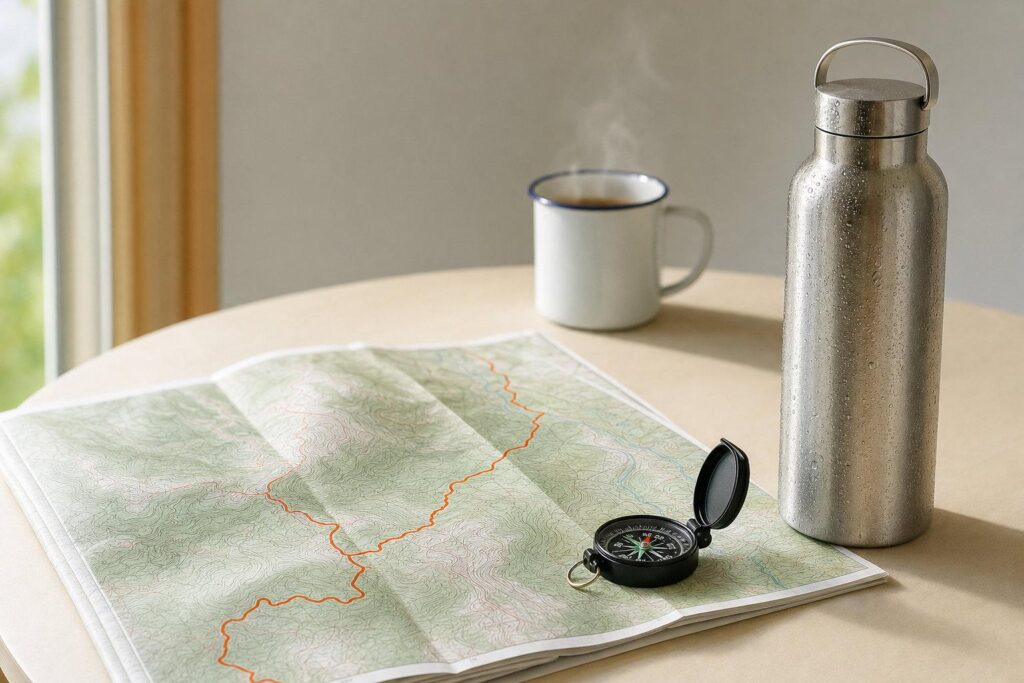
Outdoor enthusiasts are increasingly organizing multi-day hiking trips that combine adventure with opportunities for physical recovery. Selecting routes with strategic access to amenities helps maintain energy and comfort on challenging trails. Careful planning enables hikers to stay focused on the natural experience while supporting resilience and consistency throughout several days.
Multi-day hiking has adapted as hikers look for ways to extend their journeys without missing out on rest and care, addressing both physical requirements and enjoyment. Now, it is possible to plan routes that include practical amenities such as showers or secure sleeping spaces without compromising the outdoor experience, and with some options offering the comfort and recovery features similar to a pool villa France for post-hike relaxation. Many travelers make use of facility access as a practical approach to resilience, rather than as an indulgence. A balanced plan can support comfort and steady performance over multiple hiking days.
Selecting a suitable route and recovery stops
Begin by assessing your fitness level, estimated pack weight, and the expected daily elevation gain when planning a multi-day trail. Setting realistic goals helps reduce the chances of injury and excessive fatigue, since going too far may impact both safety and enjoyment.
Rather than allowing accommodations to dictate your entire itinerary, use them as convenient points to support your primary hiking objectives. Consider the distance between recovery stops, and keep your plans flexible to account for weather or tiredness, so you don’t feel restricted by bookings that can’t be changed.
Essential amenities that improve multi-day hikes
After a day covering rugged terrain, certain amenities can aid recovery, including hot showers for muscle relaxation, proper drying areas for gear, and a quiet, clean place to sleep that restores energy. Access to nutritious food, such as basic kitchen use or nearby meal options, can become especially important as calorie requirements grow over several days.
Taking time for body care can enhance comfort, using practical features like cold or warm water for soaking, a space for stretching, or simple self-massage tools. Logistical options, including early check-in, luggage transfer, and the ability to leave at flexible times, can smooth transitions between the trail and your resting spot, impacting how you structure each hiking day.
Balancing creature comforts with staying outdoors
The aim in trip planning is not to turn the hike into a holiday resort in France, but to enhance each day with recovery options that help keep your focus on the outdoors. Deciding whether to stay directly on the route or slightly off-trail involves weighing access to amenities against scenery and effort. Any detour for comfort should enhance the experience without detracting from the main purpose of the journey.
Being flexible is important to avoid mistakes, such as covering unsafe distances just to reach a scheduled accommodation. Even on nights with indoor lodging, continue practicing Leave No Trace habits by minimizing waste and respecting both natural and human environments encountered along your route.
Adjusting your packing strategy for available amenities
When dependable facilities are available along the route, you can carry fewer spare clothes, reduce your wash kit, and pack less food, decreasing weight without sacrificing necessary preparation. Nonetheless, essentials like rain protection, reliable navigation tools, and extra layers for emergencies should always remain in your pack.
It is important not to overlook wet-weather risks, even if you have access to drying space at your overnight stop. Items such as blister care kits and backup footwear or outerwear continue to be crucial, as rest stops may lighten the load but don’t eliminate the unpredictability of hiking in remote areas.
Building safety and recovery into each hiking day
Success on a multi-day hike requires attention to hydration, with regular electrolyte intake supporting muscles and stamina over several days. Sleep quality is equally vital, directly affecting recovery and reducing the risk of injury or burnout during consecutive hiking days.
Pay attention to signs of overuse, including joint soreness or reduced coordination, so you know when it is safer to stop rather than pushing forward at the expense of recovery. With this approach, hikers can benefit from restorative amenities while meeting the physical challenges of multi-day hiking.