

Delayed baggage can cause major frustration when traveling. Waiting for your luggage after a long flight can disrupt your plans and create unnecessary stress. Fortunately, passengers have rights and may be entitled to compensation if their baggage is delayed. Understanding these rights can help you claim the compensation you deserve.
What is delayed baggage compensation?
When your luggage does not arrive on time but is eventually delivered, you may be eligible for delayed baggage compensation by AirClaim. This compensation covers the expenses you incur while waiting for your bags, such as buying essential items like clothing and toiletries. The amount you receive depends on the airline’s liability limits and the costs you can prove.
The compensation is not automatic. You must report the delay to the airline immediately at the airport and keep all receipts for necessary purchases. Airlines are required to help passengers in these situations and to provide financial reimbursement when applicable.
How much can you claim?
The maximum amount you can claim for delayed baggage is generally limited by international agreements such as the Montreal Convention. This limit is around 1,288 Special Drawing Rights (SDR), which is roughly equivalent to 1,600 euros or about 1,700 US dollars, but the exact amount may vary depending on currency fluctuations.
Keep in mind that airlines only reimburse proven expenses directly related to the delay. This means you need to keep all receipts for any essentials you buy while waiting for your luggage. If you lose your luggage for a longer time, you may be entitled to additional compensation or, in some cases, reimbursement for lost baggage.
How to file a claim for delayed baggage compensation
To claim delayed baggage compensation, first report the issue to the airline’s baggage desk before leaving the airport. You will receive a Property Irregularity Report (PIR). This document is essential for filing your claim later.
Next, submit a formal claim to the airline’s customer service, including your PIR, boarding pass, ticket, and receipts for expenses. Airlines typically have deadlines for submitting claims, so act quickly.
If the airline refuses or delays your claim, you can seek assistance from claim services like AirClaim. They specialize in helping passengers obtain rightful compensation, making the process easier and faster.
Tips to protect yourself when traveling
While you cannot always prevent delayed baggage, you can take steps to reduce inconvenience:
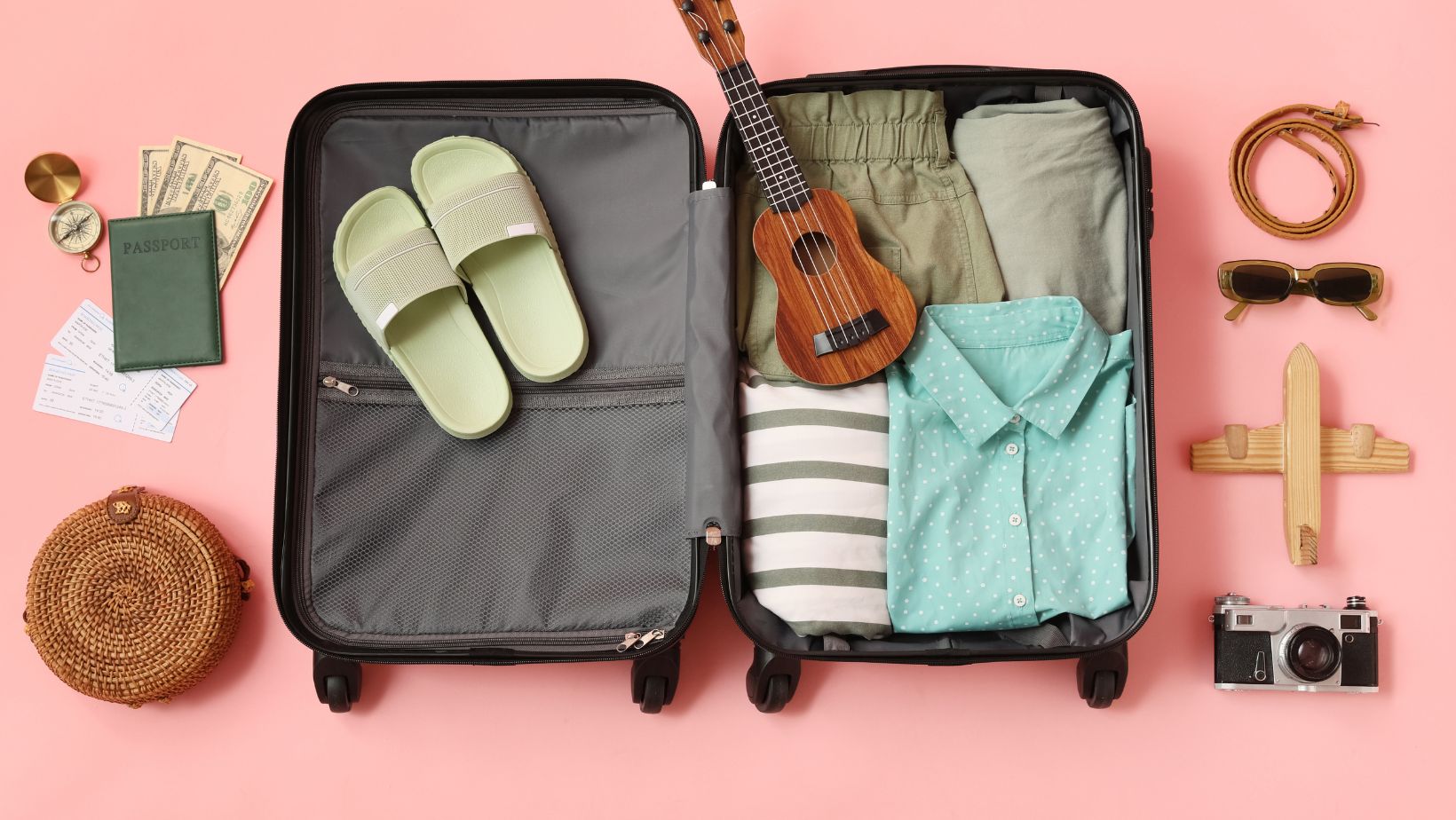
- Pack essential items such as medications, a change of clothes, and important documents in your carry-on.
- Label your luggage clearly with your contact information.
- Keep all travel documents, boarding passes, and receipts organized.
- Report baggage delays immediately and get a written confirmation.
Understanding your rights and acting quickly will increase your chances of receiving fair compensation.
Additional steps for filing a claim for delayed baggage compensation
Once you have reported your delayed baggage to the airline, it’s essential to track all developments. In addition to the Property Irregularity Report (PIR), keep a close eye on your baggage’s status. Airlines are obligated to provide updates about the location of your luggage. If it’s still missing after a prolonged period, you should request a written confirmation of the situation.
While airlines are required to return your baggage as soon as possible, in the case of extreme delays, the airline is also required to offer compensation for the inconvenience. However, the process of proving your claim is crucial. You need to present a detailed report of what you had to buy due to the delay, as airlines will only reimburse necessary items.
What items are reimbursable?
The main goal of delayed baggage compensation is to reimburse you for any essential items that you needed to purchase while you waited. These often include:
- Clothing: In case you’re without your luggage for several days, buying essential clothing becomes necessary.
- Toiletries: Basic personal care items such as toothpaste, shampoo, deodorant, etc.
- Medications: If your medication was in your luggage, you will likely need to purchase replacements.
Make sure that any purchases are reasonable and necessary for your comfort and hygiene. Excessive purchases, such as expensive luxury items, are less likely to be approved by the airline. Be sure to save every receipt, as proof of expenses is a key requirement for your claim.
Time limits for filing a claim
Most airlines have a specific time frame within which you must file a claim. The window for submitting a delayed baggage claim is usually quite short, often around 21 days. After this period, it may be much harder to recover compensation. If you wait too long, you risk losing the ability to claim at all, so act promptly.
Additionally, keep in mind that airlines are more likely to offer compensation if the delay extends beyond a certain period—typically 24 hours or more. If your luggage arrives after that time frame, you can expect a more straightforward reimbursement process.
Steps to take if your claim is denied
If the airline refuses your claim or delays your reimbursement, don’t give up. You have several options to escalate the issue:
- Review the airline’s terms: Check the airline’s policy and terms for delayed baggage compensation. Make sure that your case aligns with their criteria.
- Submit a formal complaint: If your initial claim is rejected, write a formal complaint to the airline’s customer service. Be sure to include all relevant documents, including the PIR, receipts, and any correspondence.
- Use mediation services: In cases where the airline is uncooperative, you can approach consumer protection organizations or national aviation regulators. They can act as intermediaries to help resolve the issue.
- Claim services: If you feel overwhelmed, using professional services such as AirClaim can simplify the process. They specialize in representing passengers, ensuring you get the maximum compensation without the added stress of dealing with the airline yourself.
How to prevent baggage delays
While some delays are unavoidable, there are steps you can take to reduce the likelihood of your luggage being delayed:
- Avoid tight layovers: If possible, try to schedule layovers that are at least 2-3 hours long. Short connections increase the risk of your luggage not making it to the connecting flight.
- Use direct flights: If feasible, direct flights are less likely to result in baggage delays because your luggage isn’t transferred between multiple planes.
- Label your luggage clearly: Make sure your luggage is properly labeled with your name, contact number, and address. This will help the airline locate your baggage quickly if it gets lost.
- Pack essentials in your carry-on: Carrying items like medications, a change of clothes, toiletries, and important documents can help minimize the inconvenience if your luggage is delayed.
How much can you expect from delayed baggage compensation?
The compensation you can receive for delayed baggage depends on several factors, including the length of the delay, the airline’s policies, and the costs incurred during the delay. The Montreal Convention sets a maximum reimbursement limit for delayed baggage. Passengers can claim up to 1,288 Special Drawing Rights (SDRs), which is approximately 1,600 euros or 1,700 US dollars. However, this amount is intended to cover essential expenses, not luxury or non-essential purchases.
It’s important to understand that this amount is not a guarantee. Airlines may assess the validity of each individual claim, so keeping detailed receipts and following the proper procedures will improve your chances of success.
Dealing with delayed baggage is never pleasant, but knowing your rights and being proactive can reduce the frustration of the situation. Keep your receipts, report the delay immediately, and follow up on your claim as soon as possible.
If your claim is denied or delayed, don’t hesitate to reach out to consumer protection agencies or professional claim services like AirClaim. They can help you recover the compensation you deserve and ensure that the process is handled as smoothly and efficiently as possible.
The more prepared you are when it comes to your baggage and understanding your rights, the better equipped you’ll be to handle delays when they occur. Whether you’re a frequent traveler or someone who only takes occasional flights, it’s always beneficial to know how to navigate these situations to ensure you have a smooth journey.